
The Philadelphia Story: William Hemsley Attends the Second Continental Congress. Also, Getting to Know Charlotte Hemsley.
/William Hemsley In Service to the Nation (1776-1789)
As the United States commemorates the 250th anniversary of declaring its independence from Great Britain, the Cloverfields Preservation Foundation continues to examine Col. William Hemsley’s (1736-1812) contributions to the American Revolution and to the new country.
Unfortunately, William Hemsley left no writings expressing his views on the world-changing events taking place around him in 1776 or explaining what turned him from a loyal British citizen into an American revolutionary. Did he, like so many in a deeply divided Maryland, struggle with his decision to join the Patriot cause?
When the thirteen colonies declared independence from Great Britain, William Hemsley was 39, in the prime of his life, and accomplished by every measure. He owned Cloverfields, one of the region’s largest plantations, grandest houses, and the home of a growing family that included his wife, Sally, and five young children.
Until wartime disruptions halted legal trade, Hemsley enjoyed success as a tobacco and grain merchant, exporting to Great Britain and the West Indies. In addition, he served as the Treasurer of the Eastern Shore, a lucrative and prestigious appointment granted to him by colonial Governor Robert Eden in 1769, but one now in limbo as power transitioned to state rule. Four generations of Hemsleys had increasingly prospered in colonial Maryland, and the war jeopardized it all.
While the American Revolution was deeply rooted in Enlightenment ideas about humanity’s inherent rights and freedoms, many practical-minded Americans had a greater issue with the economic constraints of Great Britain’s mercantile trade system, which kept colonists dependent on the Mother Country and at a perpetual financial disadvantage. Adding to this long-standing resentment was the more recent outrage over the imposition of steep import duties on everyday items, prompting colonists to retaliate with a boycott of certain British goods, most famously tea.
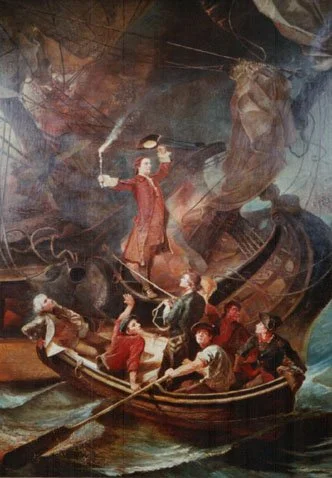
Image 1: While the Boston Tea Party is considered the most famous act of Revolutionary War defiance, the same animosity brought about the October 1774 Burning of the Peggy Stewart in Annapolis. Local Patriots, incensed that the ship carried tea, coerced the owner, Anthony Stewart, into burning his new ship.
Source: “The Burning of the Peggy Stewart” by Francis Blackwell Mayer, 1896.
Maryland State Archives, MSA SC 1545-1111.
In the wake of the Boston Tea Party, the British Parliament attempted to coerce a particularly defiant Massachusetts into submission with the aptly named Coercive Acts, which colonists called the Intolerable Acts and refused to tolerate. While primarily designed to punish Massachusetts, the new laws’ heavy-handedness sparked anger in all thirteen colonies. In September of 1774, twelve colonies sent delegates to the First Continental Congress in Philadelphia to discuss a coordinated response. [1]
In Philadelphia, the Maryland delegation achieved a reputation for moderation, to the irritation of John Adams, who later complained to Thomas Jefferson that “Neither the State of Maryland nor any of their Delegates were very early in their conviction of the necessity of Independence.” [2]
While British trade policy undoubtedly disadvantaged merchant-planter William Hemsley, it benefited William Hemsley the colonial official. The treasurer’s position did not pay a salary but instead granted him a 5% fee on many transactions, including the much-hated taxes and customs duties. Hemsley’s competing interests and early wartime record suggest he, like the Maryland delegation in Philadelphia, was politically moderate. He did not participate in the First Continental Congress or the Convention of Maryland, the opposition shadow government to that of Gov. Robert Eden, and he continued as Eden’s Treasurer until 1775.[3]
Of course, the thirteen colonies eventually determined that reconciliation with Great Britain was impossible and that self-rule was the only acceptable option, and, famously, on July 4, 1776, the Second Continental Congress voted to adopt the final text of the Declaration of Independence.[4]
Benjamin Harrison, a delegate from Virginia, knew what would happen if the new states failed to achieve by action what had been proclaimed in words. After signing the Declaration of Independence, Harrison, as well-known for his mordant humor as his ample proportions, quipped to Elbridge Gerry, the slender signer from Massachusetts:
“I shall have a great advantage over you, Mr. Gerry, when we are all hung for what we are now doing. From the size and weight of my body I shall die in a few minutes, but from the lightness of your body you will dance in the air an hour or two before you are dead.”
With any early reticence cast aside, from 1776 onward, William Hemsley’s record is that of an active and committed Patriot. Hemsley’s experience in tax, trade, and decades of service in the local militia put him in such demand that he found himself appointed or elected to more offices than he could possibly handle.
In 1776, Hemsley declined a request to serve on Maryland’s powerful Council of Safety, which acted as the new state’s de facto government in Annapolis, but, at the Council’s request, took on the challenging task of purchasing the gold and silver needed to buy supplies. Appointments to a four-year term with the Continental Loan Office and to the position of Queen Anne’s County procurement officer for the Continental Army came the following year, along with a Colonel’s commission in the 20th Battalion of the Queen Anne’s County militia, which gave him authority that made the other tasks a bit easier. (See our July 2025 newsletter.) In terms of elected office, Hemsley entered the Eastern Shore Senate in 1779, a position to which he was reelected four times.[5]
Col. Hemsley owned a schooner, which he risked as part of the Chesapeake Bay’s famous privateer fleet.[6] Lacking a meaningful navy, Congress looked to civilian privateers, operating vessels at the owner’s expense and risk. Privateering was essentially state-sanctioned piracy. Letters of Marque issued by the Maryland Council of Safety on behalf of the Continental Congress authorized the owner’s captain to attack and seize enemy ships and cargo. Maryland’s Admiralty Court auctioned the seized vessels and contents, for which the owner received a generous percentage of the sale.
Col. Hemsley, of course, needed ships to secure and transport vital supplies, and it may have been in this capacity, rather than “stand and deliver” buccaneering tactics, that he employed his vessel. His ship’s activities remain unknown as Admiralty Court records fail to provide even the name of his ship.
Through 1781, duties kept Hemsley mostly on the Eastern Shore, with trips to Annapolis and elsewhere as required. That changed in 1782, when he joined four other Maryland delegates in Philadelphia at the Second Confederation Congress, the name adopted by the Second Continental Congress in March 1781 after Maryland (the last of the thirteen states to do so) ratified the Articles of Confederation.
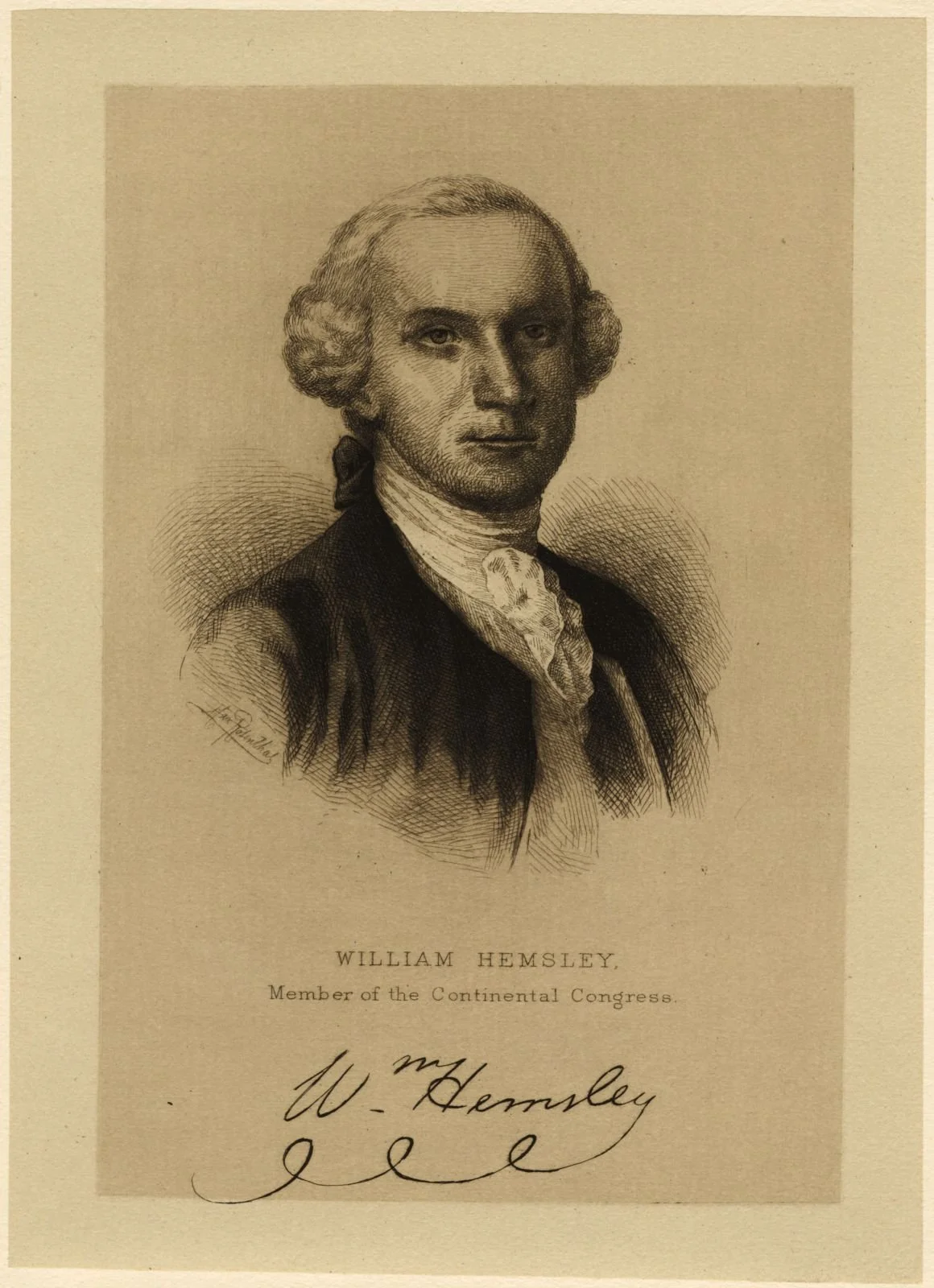
Image 2: Max Rosenthal’s ca. 1885 Etching of William Hemsley. Source: Emmet Collections of Manuscripts Etc. Relating to American History, New York Public Library Digital Collections. Rosenthal’s etching is based on John Hesselius’s ca. 1769 portrait of William Hemsley.
British Gen. Charles Cornwallis’s surrender to Gen. George Washington at Yorktown, Virginia, effectively ended combat operations. Upon arriving in Philadelphia in 1782, Hemsley participated in the discussions regarding the Treaty of Paris, which, when signed the following year, officially ended the American Revolution. Now came the difficult work of creating the United States of America from thirteen independent states, with varying opinions on how much power an overarching national government should have.
Among the most pressing issues facing the Congress was the need for a national monetary system. At the time, each state had its own money, which made both interstate and international commerce difficult. As a former colonial treasurer, Hemsley was something of a SME, or subject-matter expert, and provided counsel on creating a national currency and on how best to establish a uniform system of weights and measures, both vital for creating confidence in the government.[7] William Hemsley’s input is mentioned in regard to these and other matters in the papers of Thomas Jefferson, James Madison, and Alexander Hamilton.[8]
Another matter before Congress was national identity. As far back as that famous day of July 4th, 1776, Congress recognized that the United States needed a formal seal to affix to official documents. Six years and three committees later, Congress settled on a design. The blazon of the American bald eagle holding a shield of thirteen vertical stripes, olive branch, thirteen arrows, and the motto “E pluribus unum” has remained essentially unchanged since its adoption in 1782.
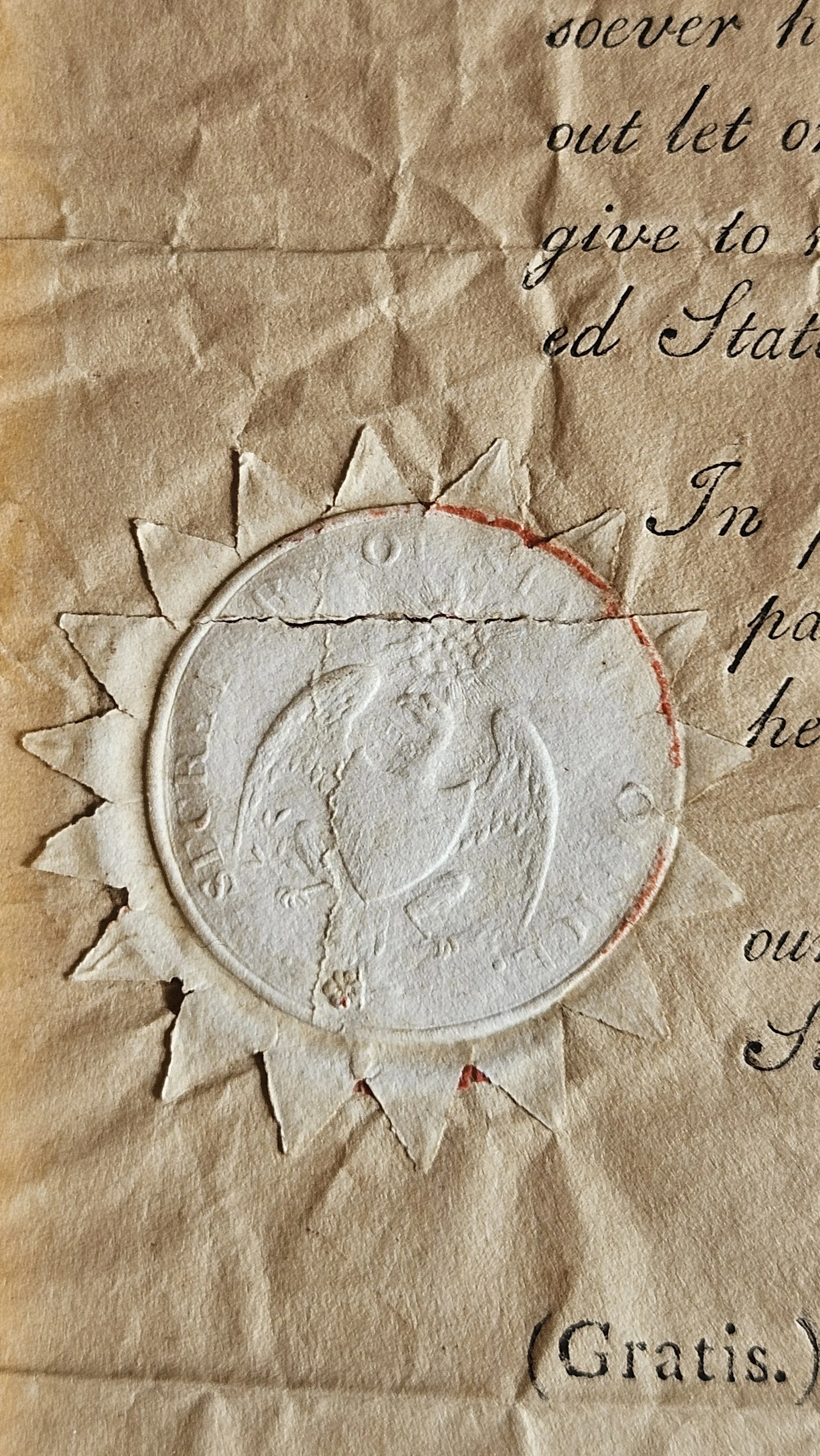
Image 3: Detail of the Great Seal of the United States on the 1797 passport WIlliam Hemsley, esq. The younger Hemsley used the document to travel to England on a diplomatic mission. Source: Cloverfields Preservation Foundation Collection.
Col. Hemsley voted in favor of adopting the Great Seal of the United States as the nation's symbol. On display at Cloverfields is the 1797 passport of William Hemsley, Esq. (1766-1825), Col. Hemsley’s eldest son. Attached to the document at the bottom left is the Great Seal, marking it as an official United States document.
Hemsley’s final contribution to the formation of the United States occurred twelve years after his first. In 1788, he represented Queen Anne’s County at the Convention of Delegates in Annapolis, where he was among the sixty-three representatives who voted to adopt the United States Constitution.
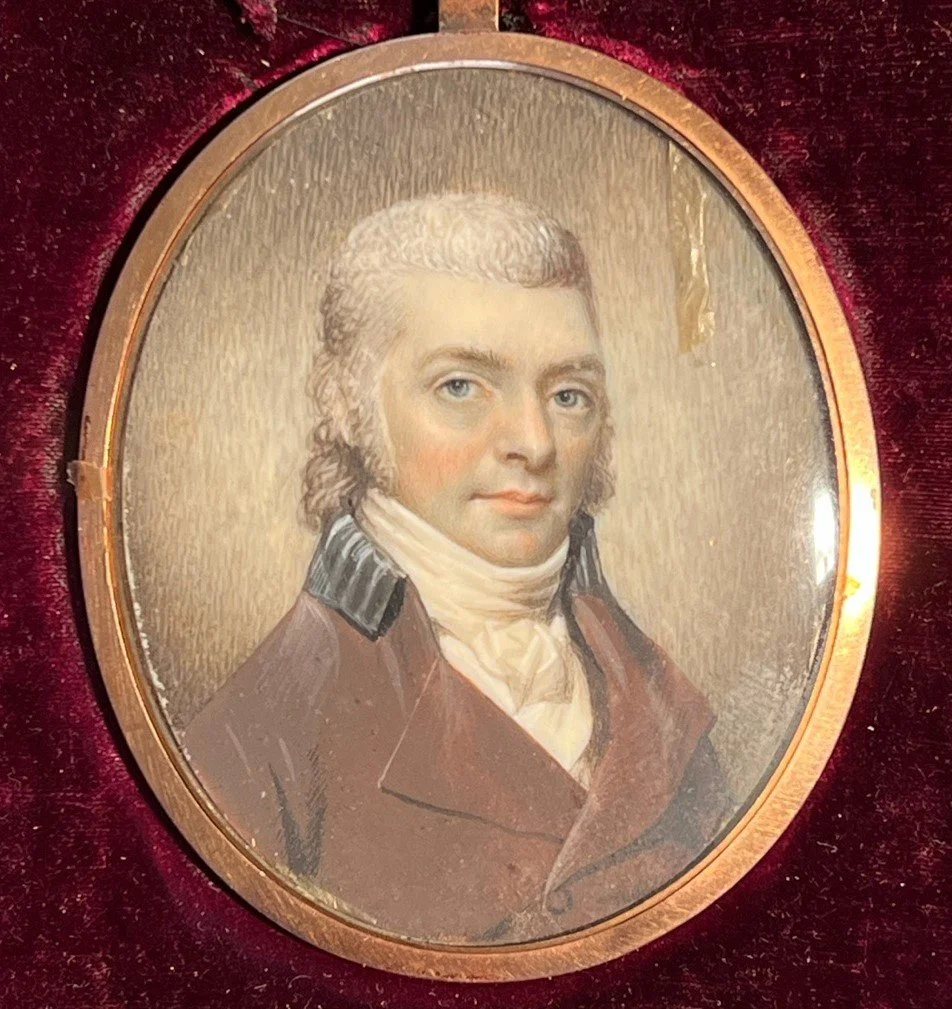
Image 4: William Hemsley, esq., painted 1802 by Robert Fields (American (born in England), 1769-1819). Image Courtesy of Thomas Edgar.
At home, he returned to the concerns of a merchant planter and to finishing the remodeling of Cloverfields’ kitchen wing. After completing his 1790 term in the Maryland State Senate, he retired from politics but remained keenly interested in the actions of the new government.
As an outspoken member of the Federalist Party, Hemsley favored a strong central government, which aligned him with figures such as Alexander Hamilton and John Adams. Post-war writings express deep sorrow at the news of George Washington’s death, hope that Adams would triumph over Thomas Jefferson in the next election, and generally celebrate events aligned with Federalist interests. Hemsley referred to Jefferson’s Republican Party as Jacobins, an insult that referenced the violent radicals of the French Revolution. [9]
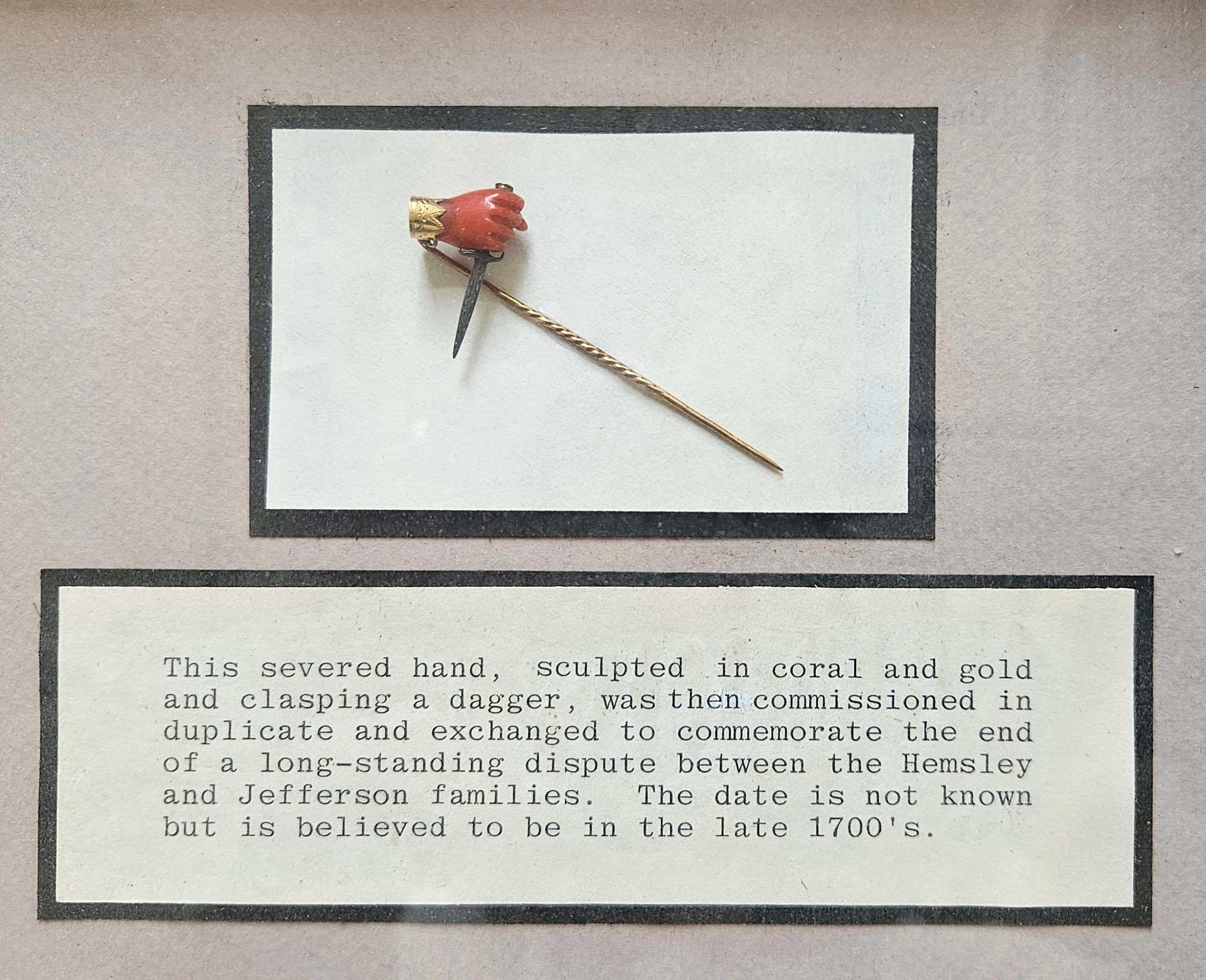
Image 5: Col. William Hemsley made it clear that he did not agree with many of Thomas Jefferson’s political views, especially as it came to the organization of the new national Government. Research is required to determine the history of this pin and the tradition associated with it. Source: Gift of Kathryn Hemsley to the Cloverfields Preservation Foundation.
According to Hemsley family tradition, a long-standing animosity existed between Hemsley and Jefferson. At a recent family event, Ms. Kathryn Hemsley donated several heirloom pieces to the Cloverfields Preservation Foundation, including a pin said to represent a rapprochement between the two families. The piece comes with no provenance, but CPFs historian and decorative arts specialist are keen to investigate this interesting object and the equally intriguing legend behind it. It provides a reminder that there is much more to learn about Cloverfields’ most famous resident.
[1] While Georgians objected to the Intolerable Acts, the colony did not send representatives out of concern for losing military protection against Native American tribes.
[2] John Adams to Thomas Jefferson, September 24, 1821, Adams-Jefferson Letters: The Complete Correspondence Between Thomas Jefferson and Abigail and John Adams, ed. Lester J. Cappon (Chapel Hill: University of North Carolina Press, 1988), 577.
[3] Shareese N. Churchill, ed., Maryland State Treasurer’s Office Annual Report 2024: Investing for Maryland’s Future (Annapolis: Maryland State Treasurer’s Office: 2024), 3.
[4] The Continental Congress actually voted in favor of Virginian Richard Henry Lee’s resolution declaring freedom from Great Britain on July 2, 1776. Delegates began signing the Declaration of Independence on August 2, 1776.
[5] Edward C. Papenfuse et al, A Biographical Dictionary of the Maryland Legislature, 1635-1789. Volume 1: A-H (Baltimore: The Johns Hopkins University Press, 2010), 434.
[6] Ibid, 433.
[7] Jason Mandresh, “William Hemsley: Coinage in Congress,” Founder of the Day September 23, 2022. https://www.founderoftheday.com/founder-of-the-day/hemsley.
[8] See entries for “William Hemsley” in the National Archives and Records Administration database, “Founder Online,” https://founders.archives.gov/.
[9] William Hemsley to William Tilghman, December 26, 1799. William Tilghman Papers, Manuscript Collection 659, Pennsylvania Historical Society.
Scenes from Spring and Summer 2026
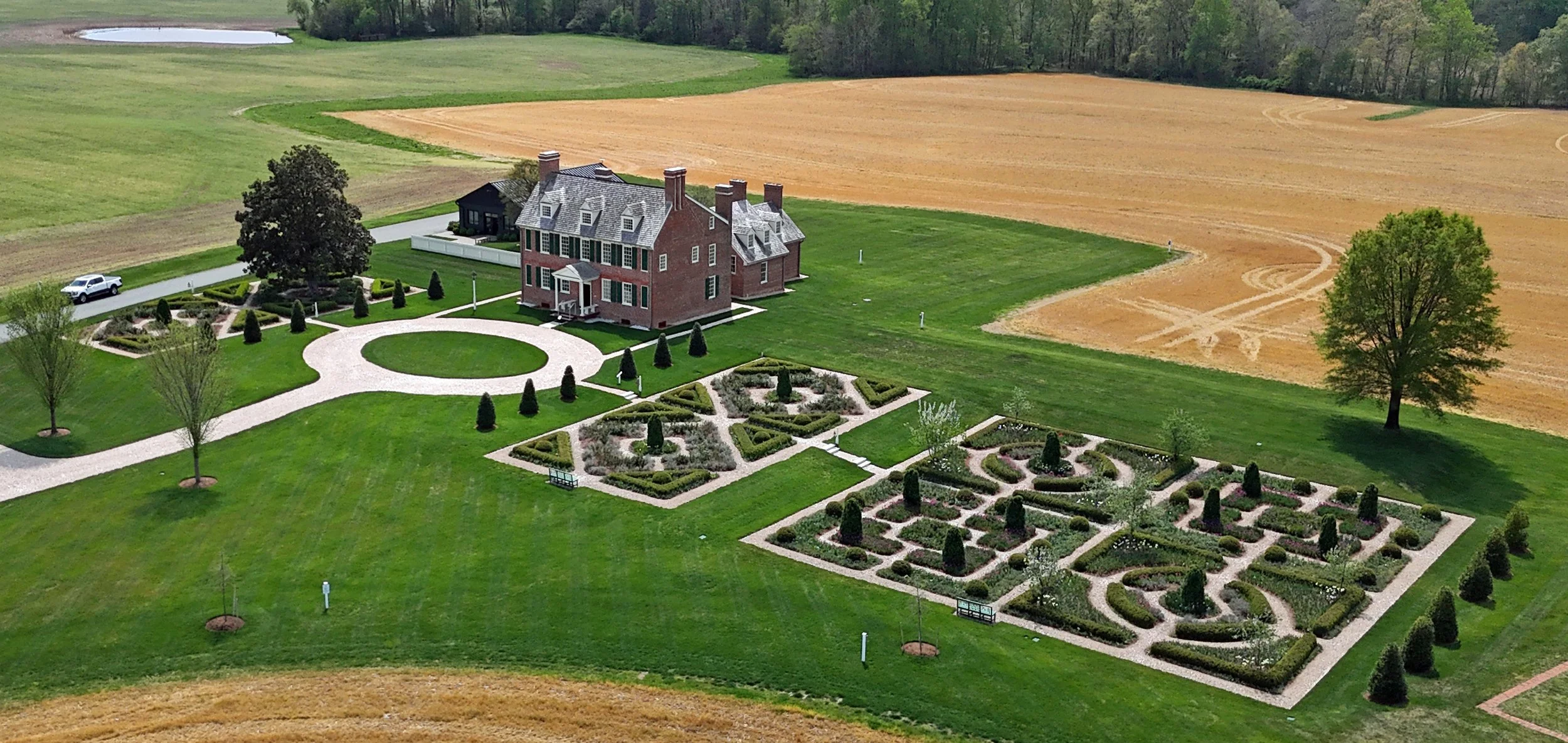
Recent visitor Dick Bodorff used his drone to capture these Aerial Views of Cloverfields in April, 2026.
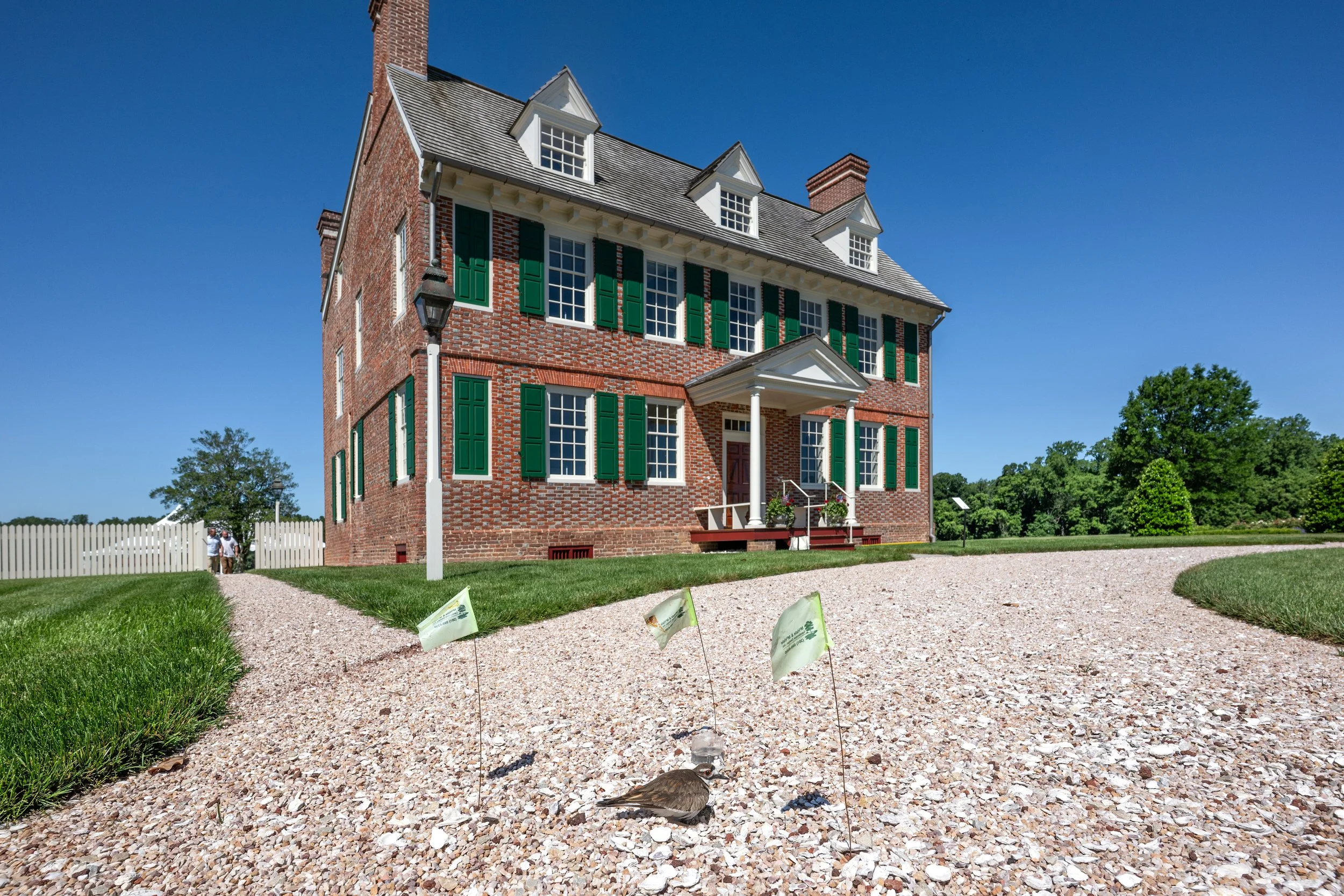
An irritated Kildeer guards her eggs, which lie camouflaged by the gravel driveway at Cloverfields. To accommodate the expectant mother, The Driveway was closed to traffic, and pin flags were placed to protect the nesting site. Photograph by Willie Graham.
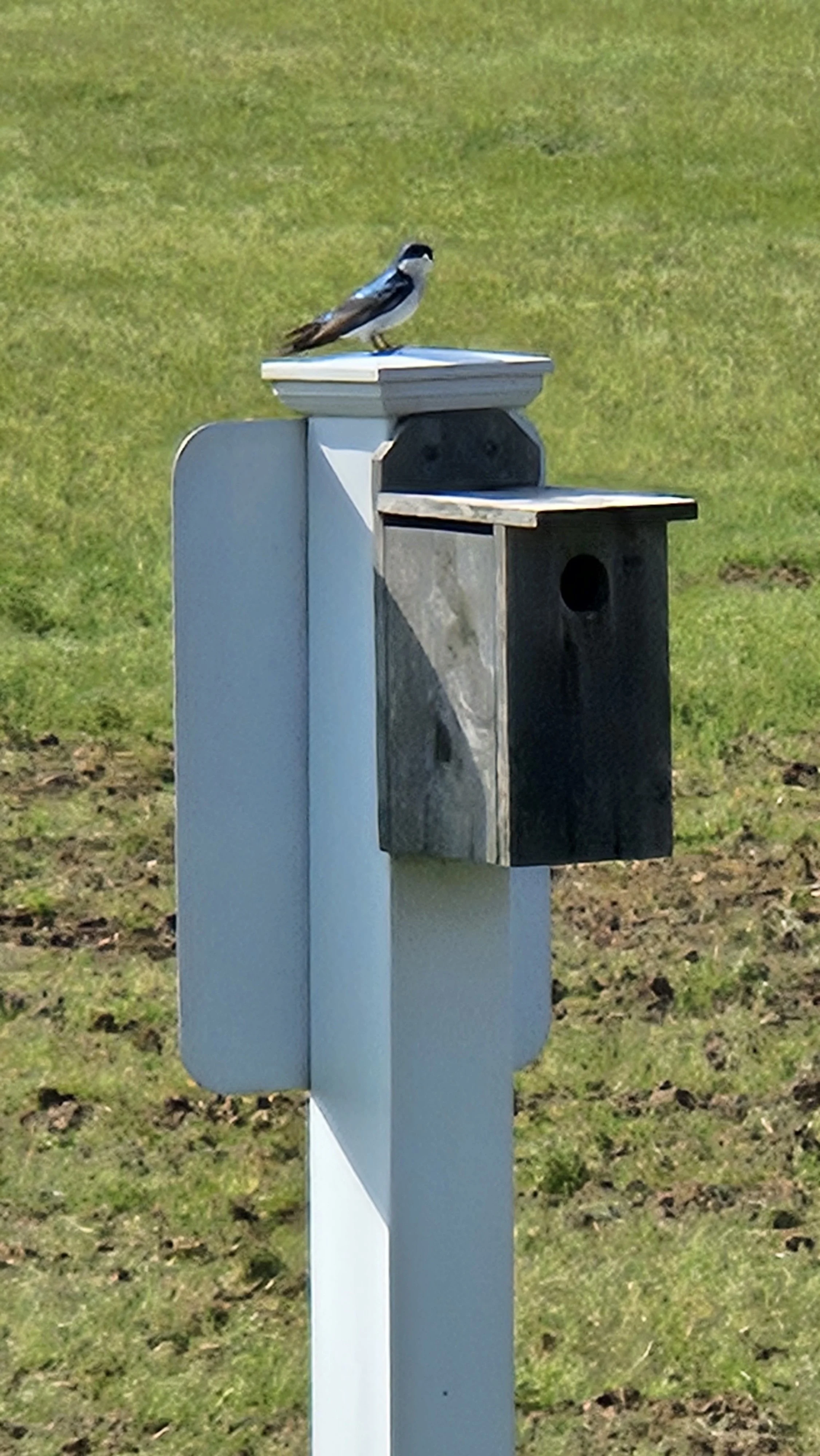
Cloverfields provides natural and human-made habitats for wildlife (albeit somewhat reluctantly for deer). Birdhouses are attached to a dozen property boundary markers. A family of tree swallows has claimed this one.
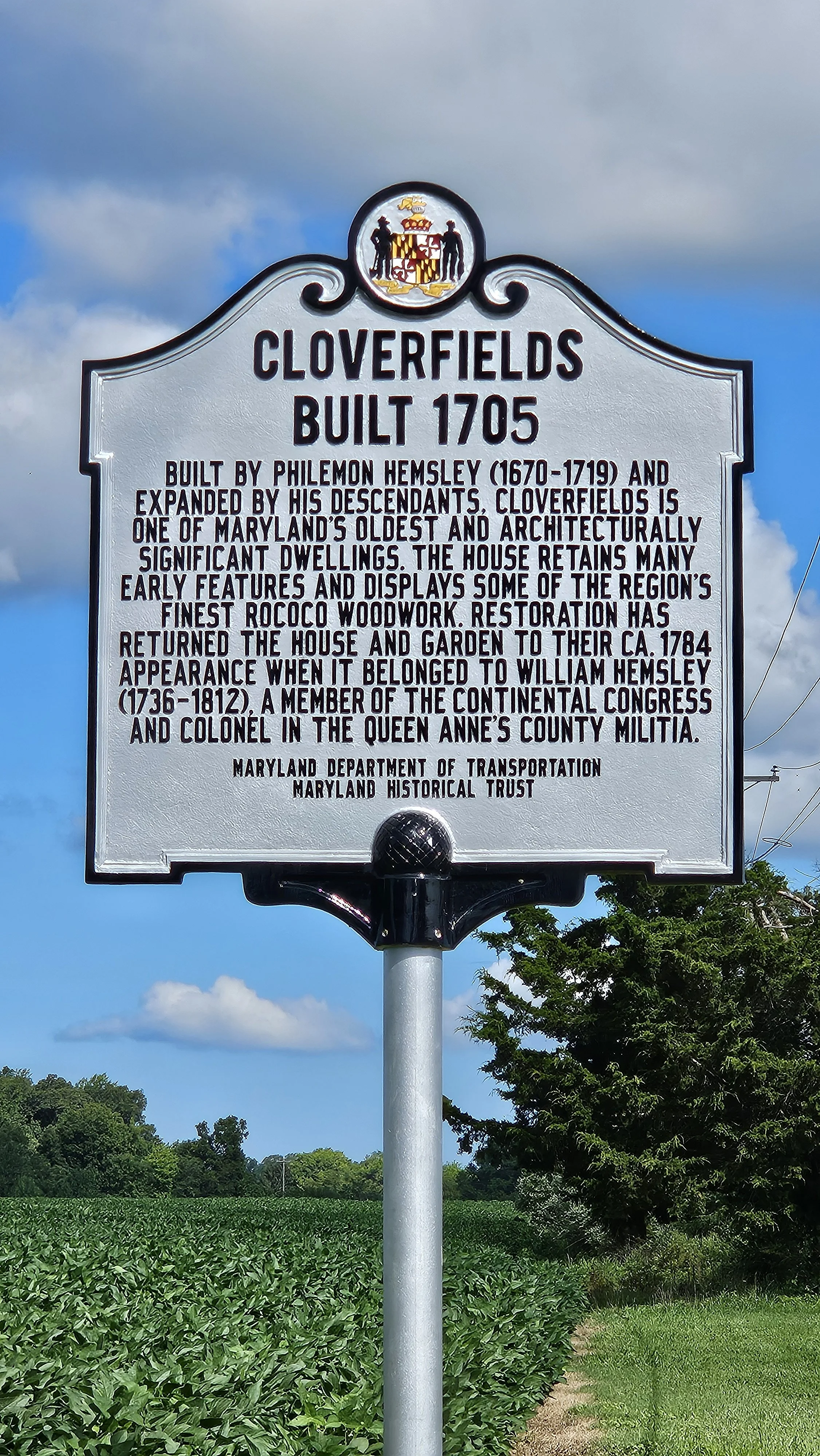
The Maryland Department of Transportation, in conjunction with the Maryland Historical Trust, installed an updated roadside marker at the intersection of Foremans Landing and Wye Mills Roads. The previous marker, installed in the 1930s by the State Road Commission and the Maryland Historical Society, displayed incorrect and outdated information.
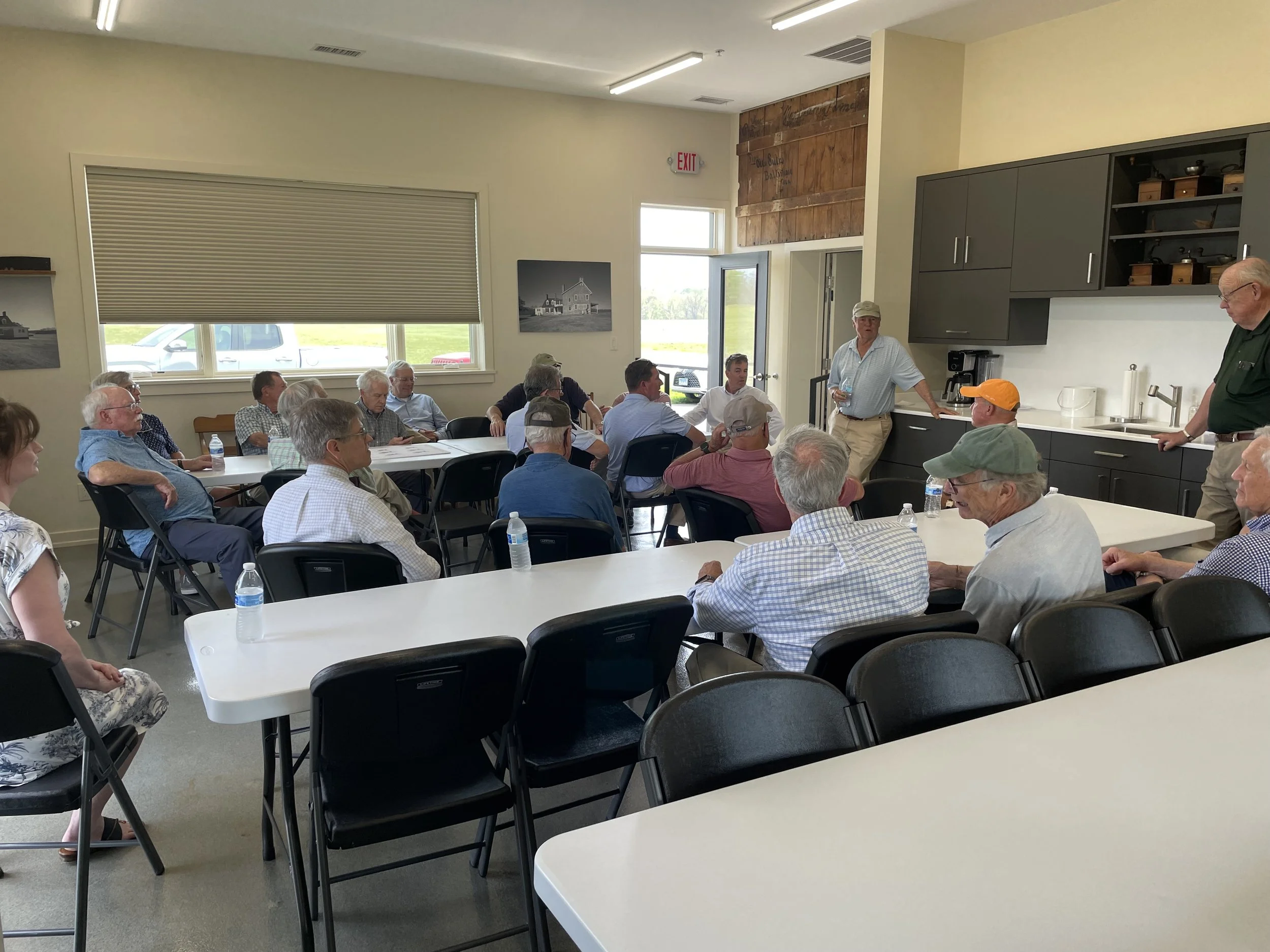
Members of the Chesapeake Bay Yacht Club were among this spring and summer’s visitors.
A Room of Her Own: Recreating Charlotte Hemsley's Bedchamber at Cloverfields
By Rachel Lovett, Furnishings Consultant
One of the most rewarding aspects of the restoration of Cloverfields has been the opportunity to restore not only rooms, but the lives of the people who once occupied them in 1784. Among the most intriguing is the chamber of Charlotte Hemsley, the second daughter of Colonel William Hemsley, whose life offers a fascinating glimpse into the opportunities and responsibilities of an unmarried woman within Maryland's landed gentry in the late eighteenth century.
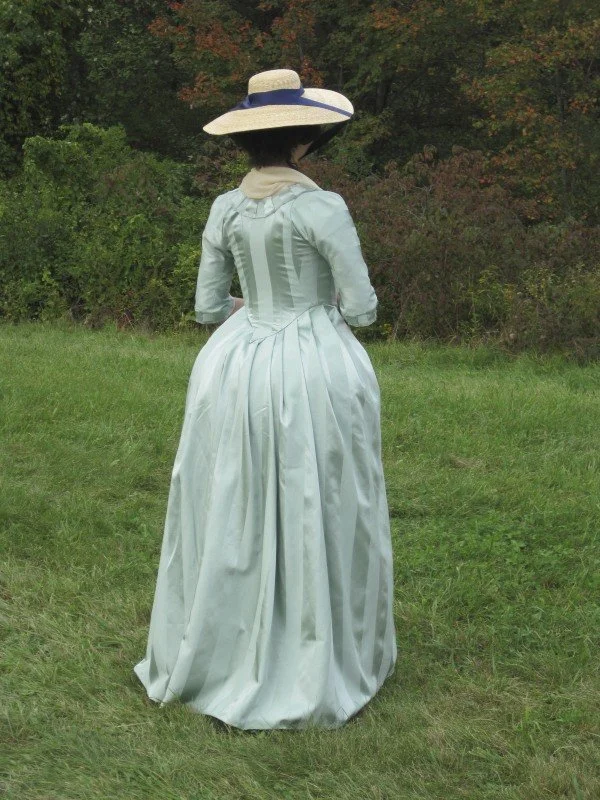
Image 1: 1780s Dress. Courtesy of the Quintessential Clothes Pen.
In 1784, there were likely only two adult white women living at Cloverfields: Colonel Hemsley's second wife, Sally, and his twenty-two-year-old daughter Charlotte. By both eighteenth-century and modern standards, Charlotte was very much an adult. Her elder sister Mary, affectionately known as Polly, had married Colonel Joseph Forman at Cloverfields in April 1782, leaving Charlotte with what was likely her first room of her own, or for any of the Hemsley children. While younger sisters were children who shared a room, Charlotte's chamber became a private retreat where she could write letters, receive guests, read, sew, and enjoy moments of quiet away from the activity of a busy plantation household filled with younger siblings, visitors, and enslaved workers.
In 1784, she was likely contemplating private thoughts about her next steps as a young woman in this new nation in her bedchamber. Would she marry like her sister Polly and her contemporaries, or chart a new course? Choosing to remain unmarried in the eighteenth century was unusual and required strong family support. Under Maryland law, married women generally could not own property independently, while unmarried women retained greater control over their own finances. Charlotte's positive relationship with her father and later with her brother William appears to have afforded her an uncommon degree of security.
Colonel William Hemsley's 1807 will treated Charlotte especially generously, providing her with larger cash bequests than her sisters and granting her substantial landholdings outright. Later, her brother William's will specifically ensured Charlotte would always retain her room at Cloverfields, even as the property passed to future generations. Throughout her life, Cloverfields remained her home.
Although no portrait of Charlotte is known to survive, letters and family papers reveal a woman of intelligence, independence, and wide-ranging interests. She occupied an important place within the social life of Cloverfields. A letter from 1793 records Charlotte hosting overnight guests, including members of the prominent Lloyd family and Caroline Hesselius, daughter of artist John Hesselius, who had painted Colonel William Hemsley thirty years earlier. Family correspondence suggests that Charlotte and her younger brother William frequently helped organize visits and entertain guests, placing them at the center of Cloverfields' social world in the late 18th century.
Charlotte also demonstrated remarkable financial independence for her era. Beginning in the 1790s, she inherited money from an aunt and worked closely with her father to invest those funds in Bank of the United States stock and federal securities. Colonel William Hemsley frequently consulted his cousin, Philadelphia attorney William Tilghman, regarding Charlotte's investments, carefully managing her inheritance while also respecting her own opinions.
In one 1793 letter, after arranging additional stock purchases, Colonel Hemsley wrote simply, "If Charlotte applies to you for any, let her have what she wants," a remarkable statement that speaks to the confidence he placed in her financial judgment. Rather than merely preserving her inheritance, Charlotte actively participated in decisions about how to invest it, revealing a woman with considerable business acumen. Had she lived in the 21st century, she may have been a very successful businesswoman.
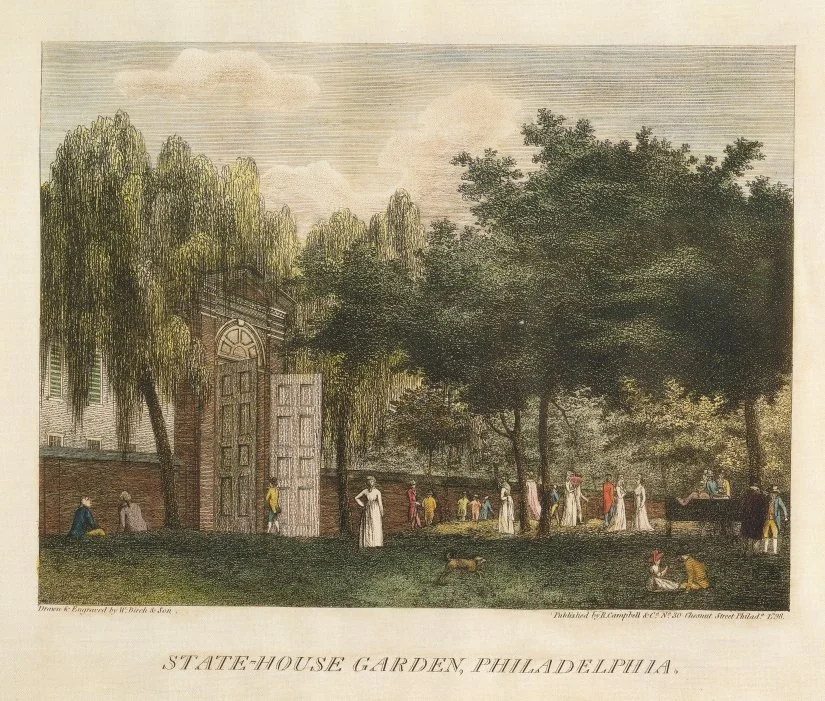
Image 2: William Russell Birch’s State-House Garden, Philadelphia, 1800, from Birch’s View, Plate 23. Public Domain.
Charlotte also enjoyed travel. Letters place her visiting Philadelphia, Delaware, and Hagerstown, while others reveal trips undertaken for both recreation and health. In 1797, when Charlotte's health declined, her father altered his own travel plans to accompany her to the mineral springs at Bristol, Pennsylvania, hoping the waters would restore her strength. Another letter from 1805 mentions Charlotte staying at Barren Creek in present-day Wicomico County, a fashionable resort whose mineral springs were widely believed to possess medicinal qualities. (See our June 2024 newsletter.) Such journeys illustrate both her active social life and the affectionate concern her family showed for her well-being.
Today, visitors can step into Charlotte's reconstructed bedchamber, interpreted as it may have appeared in 1784 while also drawing heavily upon the inventory recorded at her death in 1822. The centerpiece of the room is an eighteenth-century bed acquired through estate manager Jim Barton and painted blue, reflecting the inventory's reference to Charlotte's blue furniture. The elegant reproduction bed hangings, created by textile historian Natalie Larson using the Bird and Thistle pattern by Brunschwig & Fils, evoke the refined taste expected in a prosperous Maryland household, and Charlotte’s affinity for blue, a feminine color in the 18th century. The Bird and Thistle textile pattern is similar to the one known as Bromley Hall, which Natalie chose for the Paca bed in Annapolis. Beside the bedstead, is a small bedside carpet from Woodard & Greenstein. A custom canopy frame by Harrison Higgins of Richmond completes the bed.
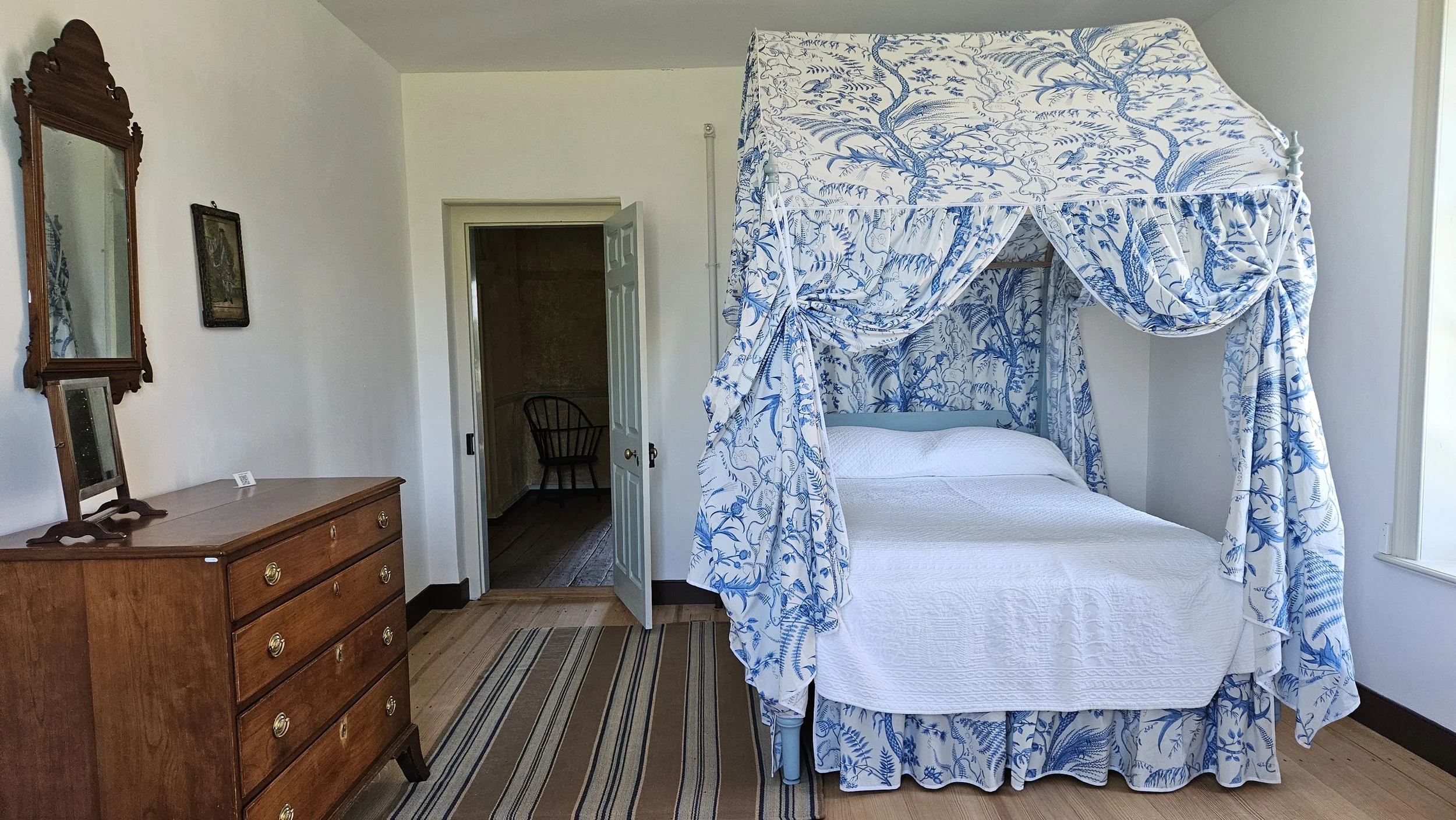
Image 3: Charlotte’s Room at Cloverfields. Photograph by Sherri Marsh Johns.
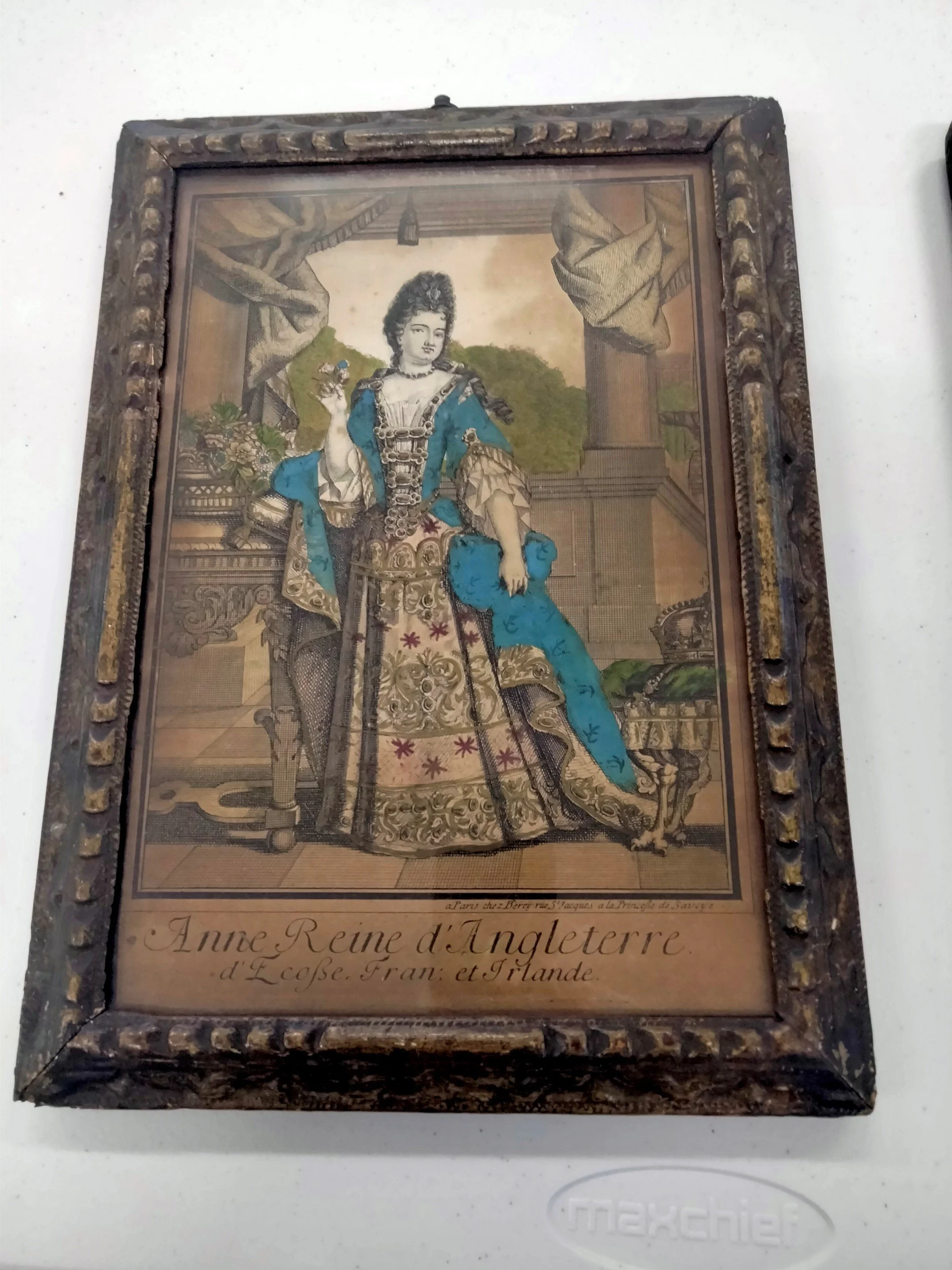
Image 4: Queen Anne of England . Cloverfields is in Queenstown, Queen Anne’s County, both named for this monarch who reigned from 1702-1714. Cloverfields Preservation Foundation Collection No. 2022.55.22.
Additional furnishings now include a mahogany bedside commode table with a tray top above a pair of cupboard doors and a pull-out commode drawer, raised on square chamfered legs; an American cherry chest of drawers, c. 1790, with graduated drawers and French feet; a toilet mirror; and a Philadelphia looking glass. Three prints in frames are referenced in the inventory, and now on display are two late seventeenth-century French prints of Queen Anne and Prince George of Denmark, which were conserved by B.R. Howard & Associates of Carlisle, Pennsylvania. Although the nation was new, British taste and aesthetics continued to influence American interiors well into the post-Revolutionary period, particularly among the Maryland gentry.
Yet the room remains a work in progress. We continue to search for several items documented in Charlotte's 1822 inventory, including a ladies' work table, washstand, leather traveling trunk, backgammon set, an additional period print, and umbrella. Archaeological evidence uncovered at Cloverfields confirms that umbrellas were indeed used on the property in the period, providing another tangible connection to Charlotte's daily life.
We know from an April 1782 letter written by Henrietta Maria "Hetty" Tilghman, Colonel William Hemsley's first cousin, that Charlotte owned a white mantua robe trimmed with silver, described as being "exactly like Polly's," which was made in Philadelphia for her sister Mary "Polly" Hemsley's wedding to Colonel Joseph Forman. Because this gown was purchased only two years before our 1784 interpretation, it is almost certain that Charlotte still owned and wore it during this period. The Foundation hopes to reproduce this elegant dress in the future, allowing visitors to better envision Charlotte as she appeared while living at Cloverfields.
Charlotte Hemsley's room reminds us that history is often found not only in public achievements but also in private spaces. Her chamber tells the story of an educated, capable, and independent woman who balanced family responsibilities with financial management, travel, friendship, and personal pursuits. By recreating her room, we are restoring more than furniture and textiles. We are restoring the life of a remarkable woman whose story deserves to be remembered as part of Cloverfields' enduring legacy.