
Winter in Review: a Season of Gifts and Visitors
/CPF Receives Donation of Hemsley Family Heirlooms
We begin this newsletter by thanking Ms. Hope Halleck of Lewes, Delaware, for her kind and generous donation of important Hemsley family heirlooms, including silverware, correspondence, photographs, and genealogical information. A traditional letter of introduction from Ms. Halleck’s uncle William Halsey Wood III to CPF furnishing consultant Rachel Lovett initiated the acquaintance that led to the gift. Sadly, Mr. Wood passed away in November at age 93, shortly after Rachel received his letter.
Ms. Halleck personally delivered the boxes of antiques and memorabilia to Cloverfields. Joining her that January day for a tour of her ancestors’ property were family members, including siblings Jay and wife Barbara, sister Heidi, and two delightful young nieces, fittingly named Hemsley and Halsey.
Ms. Halleck is a descendent of Philemon Hemsley (1670-1719), builder of Cloverfields, through his great-grandson Alexander Hemsley, Sr. (ca. 1785- 1834) and his second wife Elizabeth Anne West (1795-1887) of Philadelphia. This gift prompted us to research this lesser-known cadet branch of the Hemsley family.
Alexander grew up at Cloverfields, the son of Col. William Hemsley (1736-1812) and his second wife Sarah Williamson (1749-1794). In 1808 Alexander made an advantageous marriage to his cousin, Henrietta Maria Tilghman (1787-1817) of Sherwood, near St. Michaels, Maryland, and after his father’s death, received a considerable inheritance that included land and Wye Mill. Fortunes tragically reversed for Alexander, and by 1817 he had lost his wife and inheritance and struggled to hold on to Sherwood.
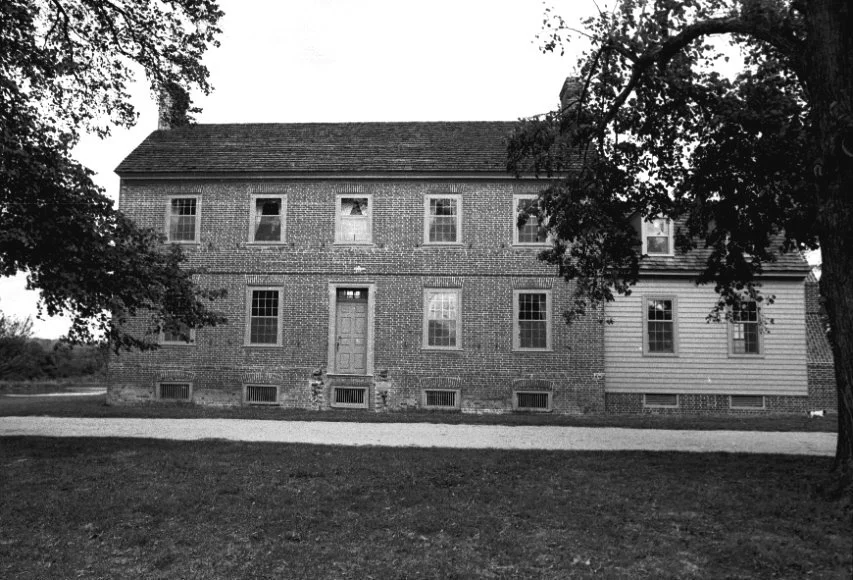
Figure 1: Sherwood, located near St. Michaels, Talbot County, Maryland, shown in an undated photograph was built in the last quarter of the eighteenth century, probably by Matthew Tilghman (1780-1790), uncle of Col. William Hemsley (1736-1812). William’s son Alexander inherited Sherwood after the death of his wife Henrietta Maria Tilghman Hemsley. Source: Maryland Historical Trust.
In this, Alexander was not alone. The War of 1812, the financial panic of 1819, and a prolonged agricultural depression undermined the fortunes of many old planter families in such a way as to disrupt the established social order. By the 1830s, unfamiliar names had infused the list of traditional Eastern Shore power brokers.
In 1823, Arthur Tilghman Jones, Sr. of Queenstown, Maryland wrote to Maryland expatriate James Hollyday, III in Natchez, Mississippi describing the plight of their friends and family, including Alexander’s, reporting “Your Uncle John, A. Hemsley, Tench Tilghman…and my father are completely wiped out.” Worse off were “Mr. N. Price, Mr. Paca and your Uncle Hollyday trying to keep out of the Brick House in Chestertown,” meaning jail. [1]
Despite difficulties, business and family connections regularly took Alexander to Philadelphia. There, he met his second wife, Elizabeth Anne West, the daughter of merchant and importer Francis West. The couple married in 1822 and took up residence at Sherwood, which Hemsley had inherited from his late wife. Alexander died in 1834. Elizabeth, then pregnant with Alexander Hemsley, Jr. (1834-1904) and in need of her family’s support, returned to Philadelphia.
Alexander Hemsley, Jr. was raised and educated in Philadelphia. In 1862, during the height of the Civil War, he married Emily Cox (d. 1890). No doubt Alexander’s service as a private in the 1st Troop Philadelphia City Cavalry cast a heavy shadow over the newlyweds. The 1st Troop saw action, including at Gettysburg, but Alexander returned from war and had a long marriage and successful career as a research chemist, specializing in photographic chemistry.
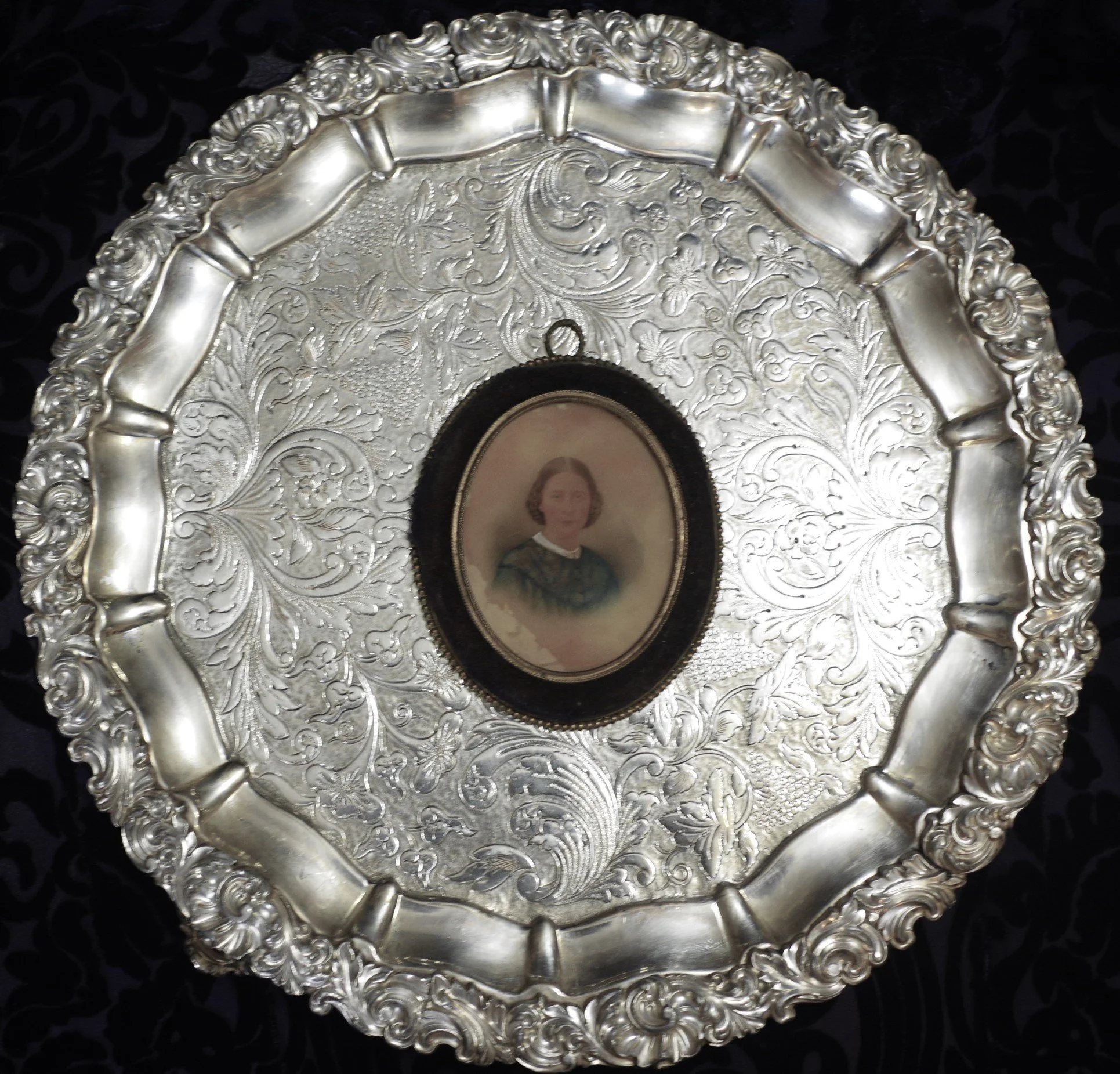
Figure 2: An 1860s silver platter and portrait of Emily Cox Hemsley are among the items Hope Halleck donated to cPF. Source: Cloverfields Preservation Foundation.
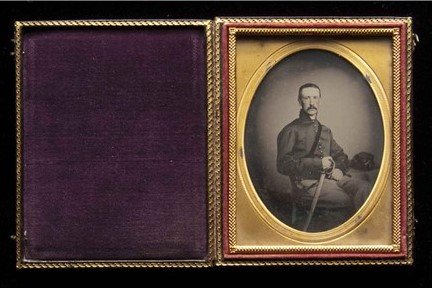
Figure 3: Private Alexander Hemsely, Jr. of the 1st Troop Philadelphia City Calvary, shown in an 1863 Daguerrotype. Source: Historical Society of Pennsylvania.
Photography, invented roughly twenty years before the Civil War, became immensely popular during the conflict, especially with families with a loved one heading into danger. Demand grew in the years after as photographs became increasingly more affordable.
Cameras rapidly improved, but photographers struggled with providing enough light to capture an image adequately. Anyone who has watched a movie set in the second half of the nineteenth-century has likely seen the process. Flash photography then consisted of igniting a trough of chemicals (flashpowder), which when ignited provided a brilliant burst of white light along with a cloud of toxic smoke. Inherently explosive, flashpowder was dangerous to use, sometimes causing burns to the photographer and close-sitting subjects.
While working on a new flashpowder formula, Hemsley perished in a tragic accident so horrible that it was reported in newspapers across the country, including on the front page of the New York Times. During an experiment, an accidental spark triggered a massive explosion that destroyed his laboratory, injured his two assistants, and damaged surrounding buildings. [2]
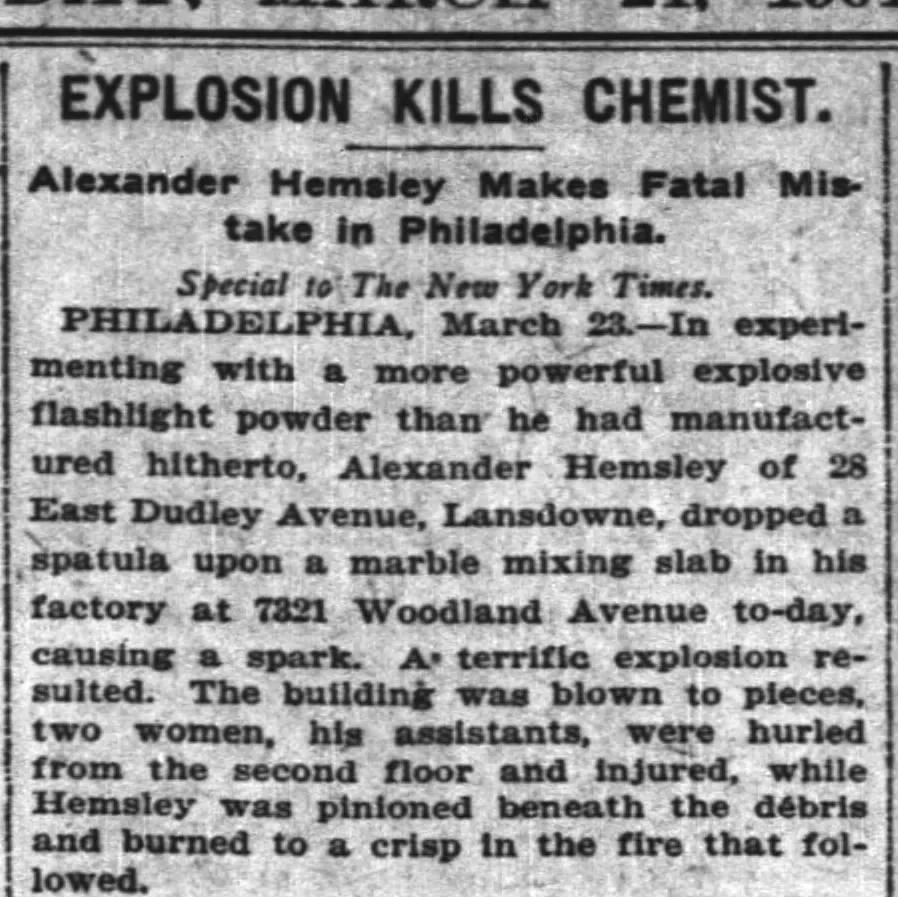
Figure 4: News of Alexander Hemsley’, jr.’s tragic death appeared on the front page of the New York Times. Source: Newspapers.com.
Hemsley employed two female laboratory assistants, namely Minnie Lichtenwalter and Mary Morse, described in newspapers as “bright young women…having an unusual order of intelligence” Both women sustained injuries but survived the ordeal.
Minnie Lichtenwalter turned tragedy into opportunity. The following year she married Albert Grubb. The couple raised the necessary capital to open the Luxo Flashlight Works outside Philadelphia. In 1908, Albert accidentally ignited a batch of flashlight powder, causing an explosion that nearly killed the couple.[3] After that incident, Minnie retired from chemistry and Albert embarked on a career as a milkman. [4]
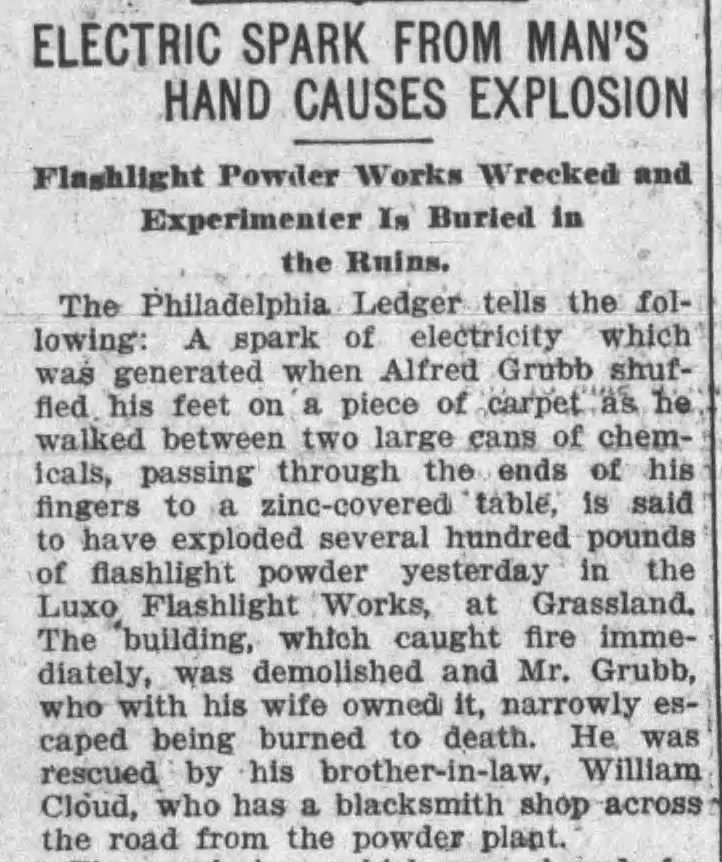
Figure 5: In 1908, Minnie Lichtenwalter Grubb’s business venture with her husband also ended in disaster. Source: Daily Local News, West Chester, PEnnsylvania. Newspapers.com.
[1] James Bordley, Jr. The Hollyday and Related Families of the Eastern Shore of Maryland (Baltimore: Maryland Historical Society, 1962), 188.
[2] “Explosion Kills Chemist,” The New York Times (New York City), March 24, 1904.
[3] “Electric Spark from Man’s Hand Causes Explosion,” Daily Local News (West Chester), May 6, 1908.
[4] 1910 United States Federal Census, Pennsylvania, Delaware County, District 0140. Ancestry.com.
Events and Visitors
Over the past season, Cloverfields welcomed various organizations and individuals for tours and meetings.
In November, Cloverfields was one of the stops of the Friends of the Colonial Williamsburg Collections, a connoisseur and study group associated with Colonial Williamsburg. The assembly heard about CPF’s furnishing plan from Rachel Lovett, before enjoying a tour of the house and grounds, and lunch.
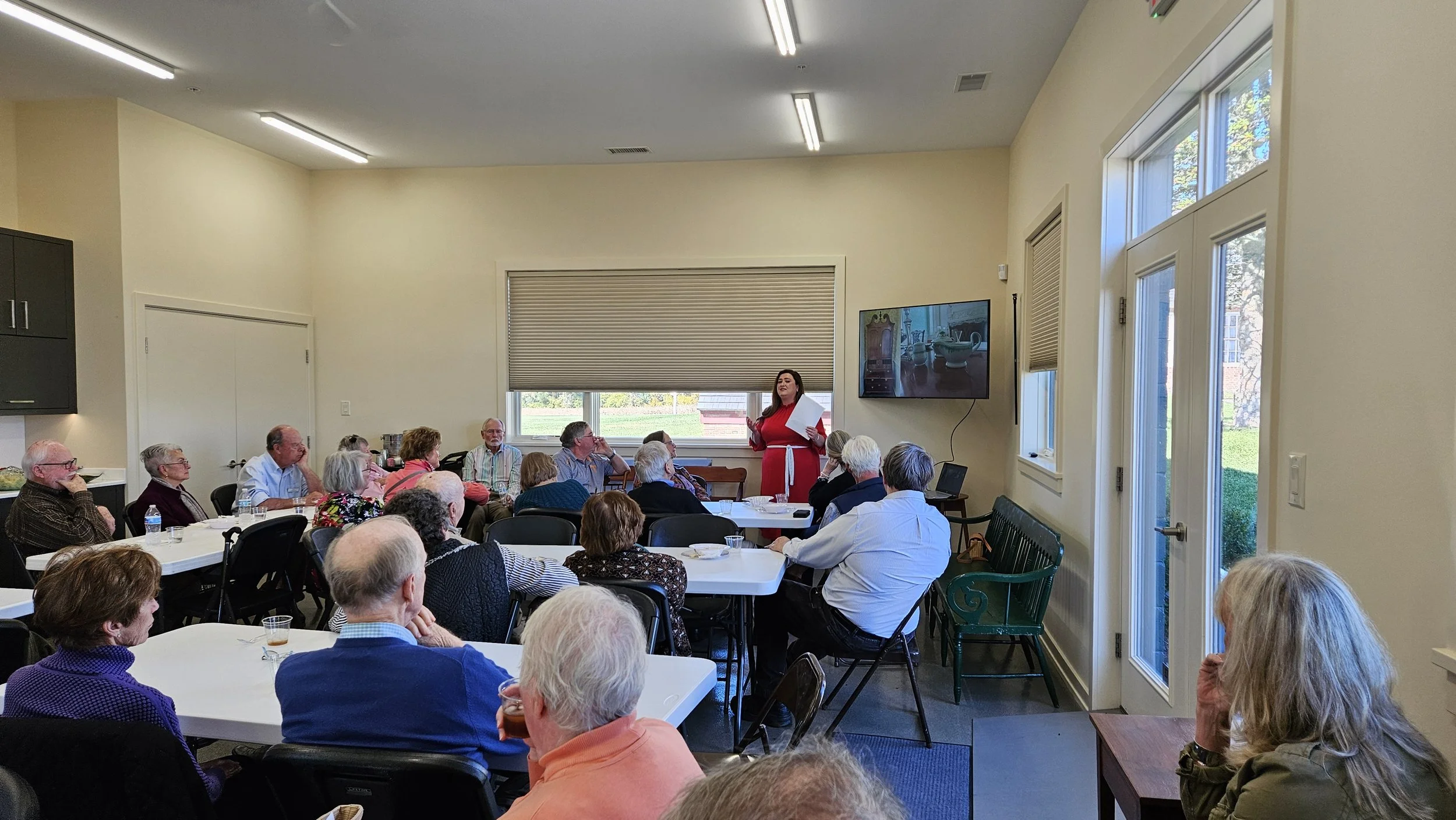
Figure 1: Friends of the Colonial Williamsburg Collections listen as Rachel Lovett discusses the Cloverfields Furnishing plan.
In December, Cloverfields was pleased to host the annual meeting of the Queen Anne’s County Historical Society (QACHS).
Author and historian Niambi Davis of the Kennard African American Cultural Center and Dr. Adam Goodheart of Washington College’s Starr Center for the Study of the American Experience led a discussion on the Emory Family of Poplar Grove, the history of the property, and the lives and contributions of the enslaved workers who lived at the large eighteenth century Queen Anne’s County estate. Ms. Olivia Wood, an Emory descendant and Poplar Grove’s current owner, updated the group on her efforts to restore the house and grounds.
A meeting highlight was the unveiling of a portrait of an Emory family member, donated to the QACHS by local collector and antiquarian Robert Shannahan.
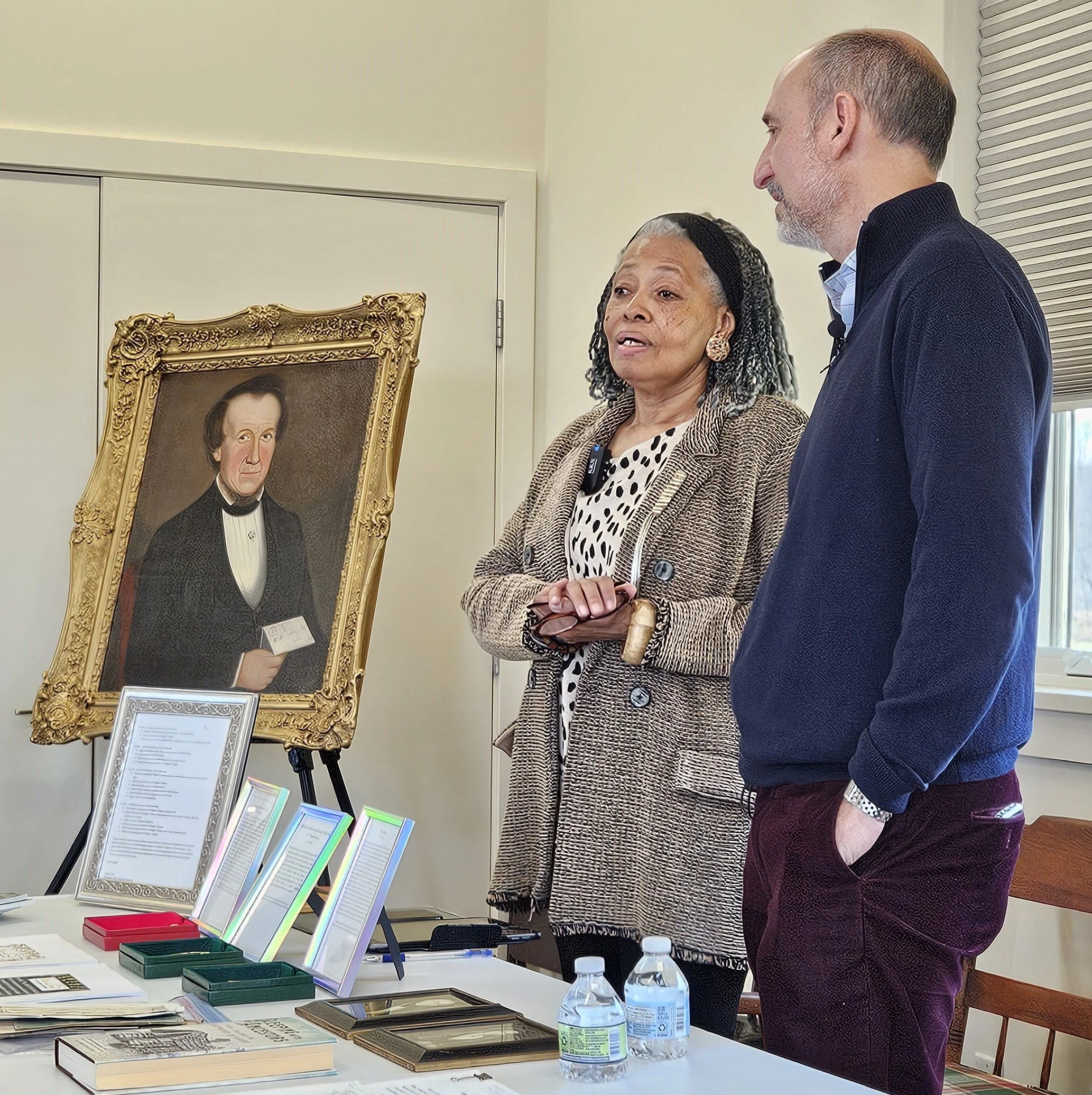
Figure 2: Ms. Niambi Davis, Dr. Adam Goodheart and Ms. Olivia Wood (not shown). Led an interesting discussion on Poplar Grove, detailing the lives of those who lived and worked there.
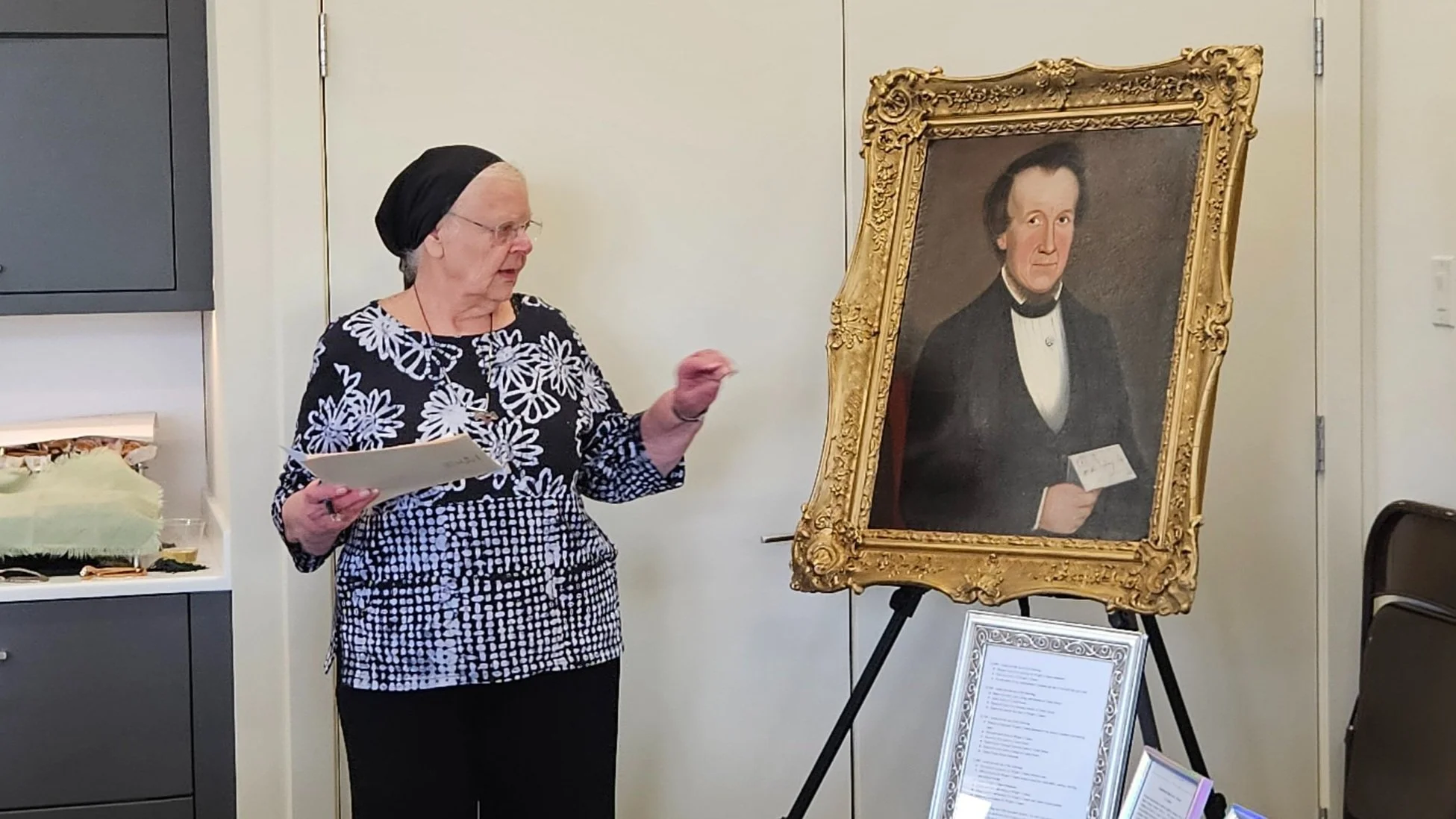
Figure 3 : QACHS President Penny Lin remarks on the Emory portrait donated to QAHS by Robert Shannahan.
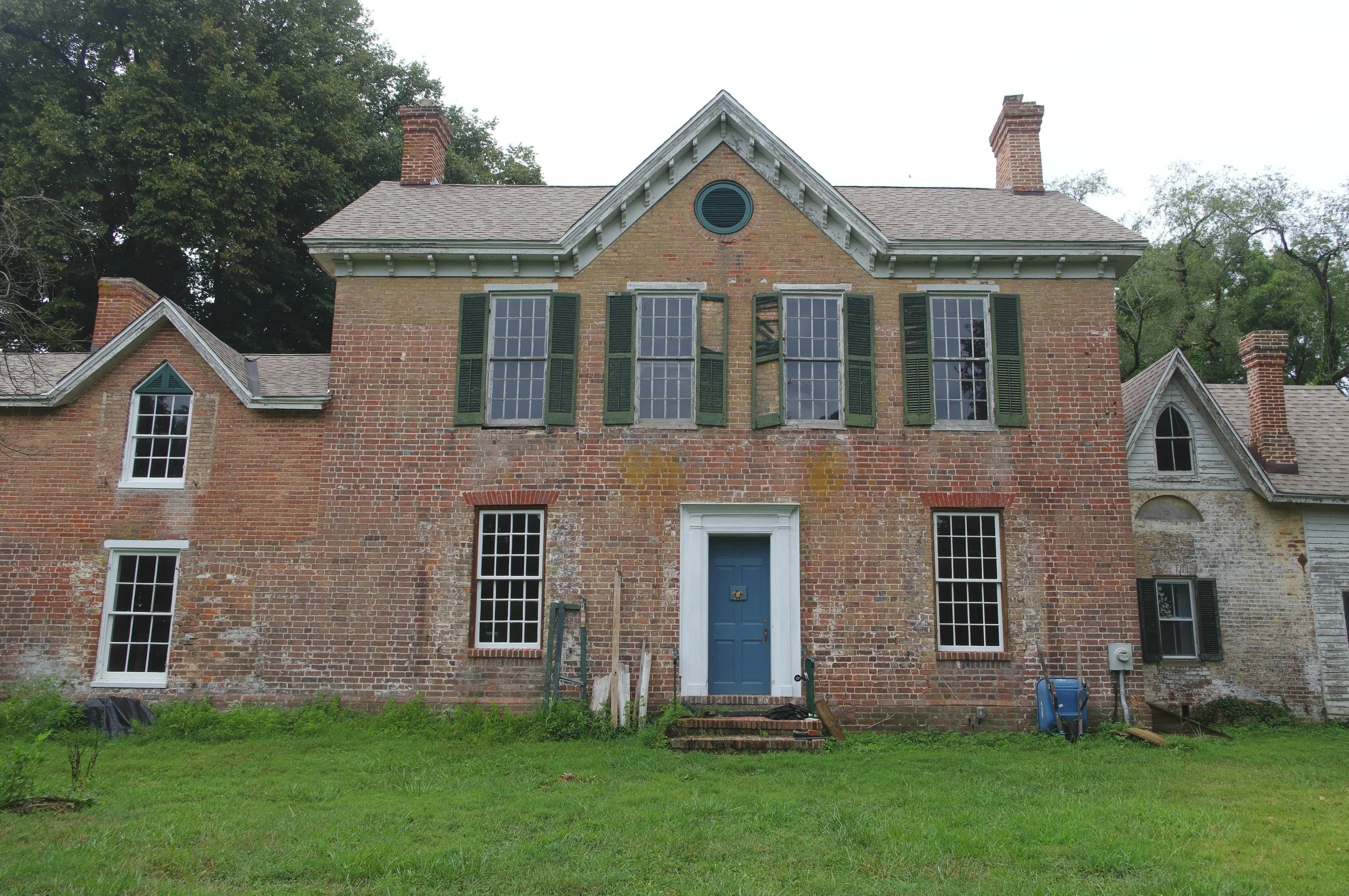
Figure 4: Poplar Grove as it appeared in 2021 before the start of the restoration by Emory descendent, Ms. Olivia Wood. Anna Maria Hemsley (1787-1864) of Cloverfields married Thomas Emory in 1805. Her letters, found at poplar grove and now at the Maryland State Archives (James Woods Poplar Grove Special Collection), provide invaluable insights into events at Cloverfields.
Dave Perkowski of Lynbrook of Annapolis worked on the Cloverfields restoration. He returned with his family to celebrate his mother-in-law’s birthday and see how things have progressed since his work wrapped up.
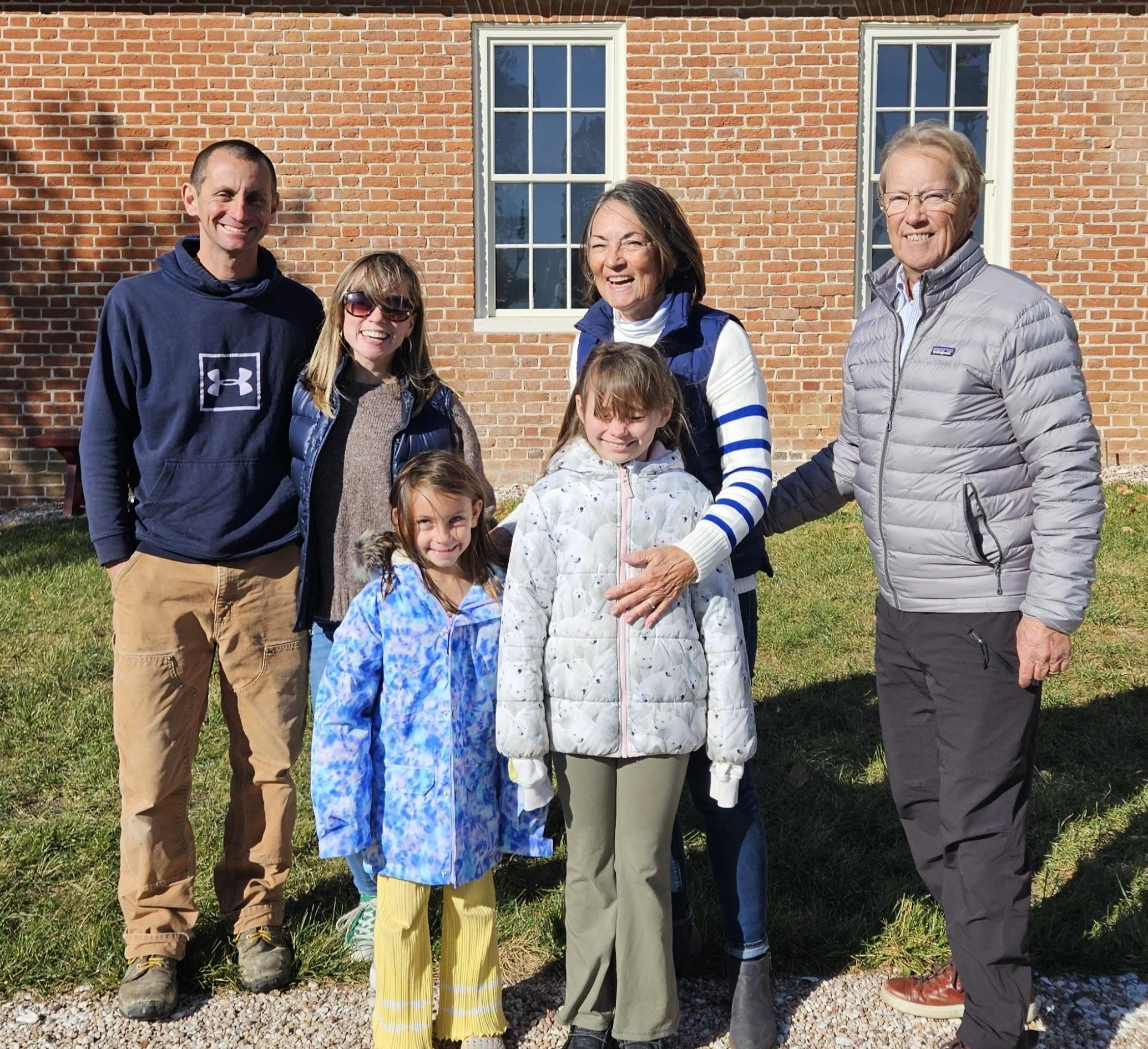
Figure 5: Dave, Tara, Lucy and Annie Perkowski with Tara’s parents, Peggy and Mark Hannon.
CPF staff enjoyed swapping stories with the staff of Historic Annapolis when they visited as part of their annual recent winter retreat. HA is in the midst of a multi-year, multi-million dollar restoration of the 1767 Brice House in Annapolis. At Cloverfields they were able to see the completed work of members of their restoration team, including that of Jack Abeel (millwork), Susan Buck (paint analysis), Raymond Cannetti (masonry), Willie Graham (architectural historian), and Chris Mills (plaster conservation).
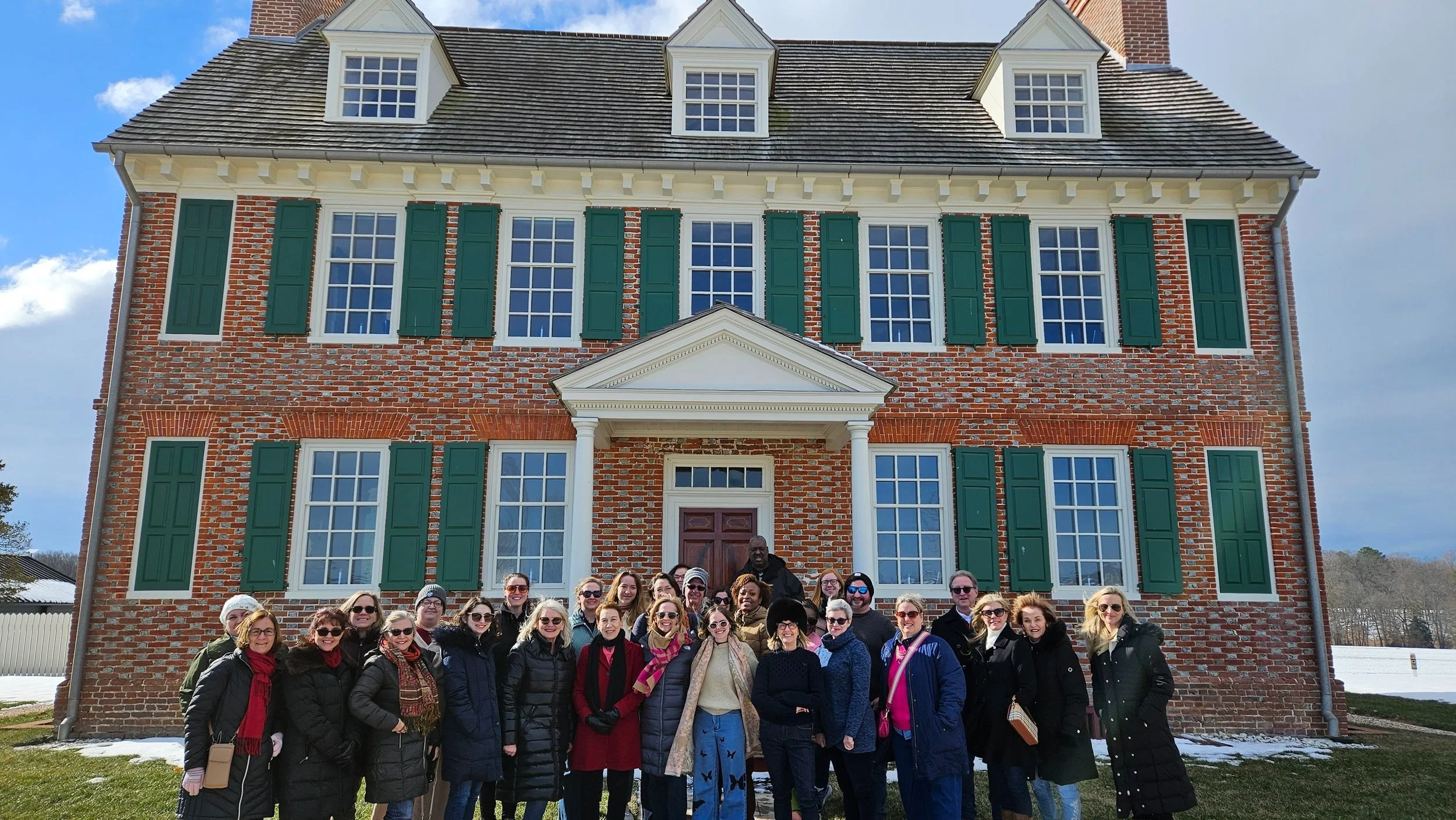
Figure 6: The staff of HIstoric Annapolis during their January visit.
Poured from the Past: Dessert & Tea at Col. William Hemsley’s Cloverfields (continued)
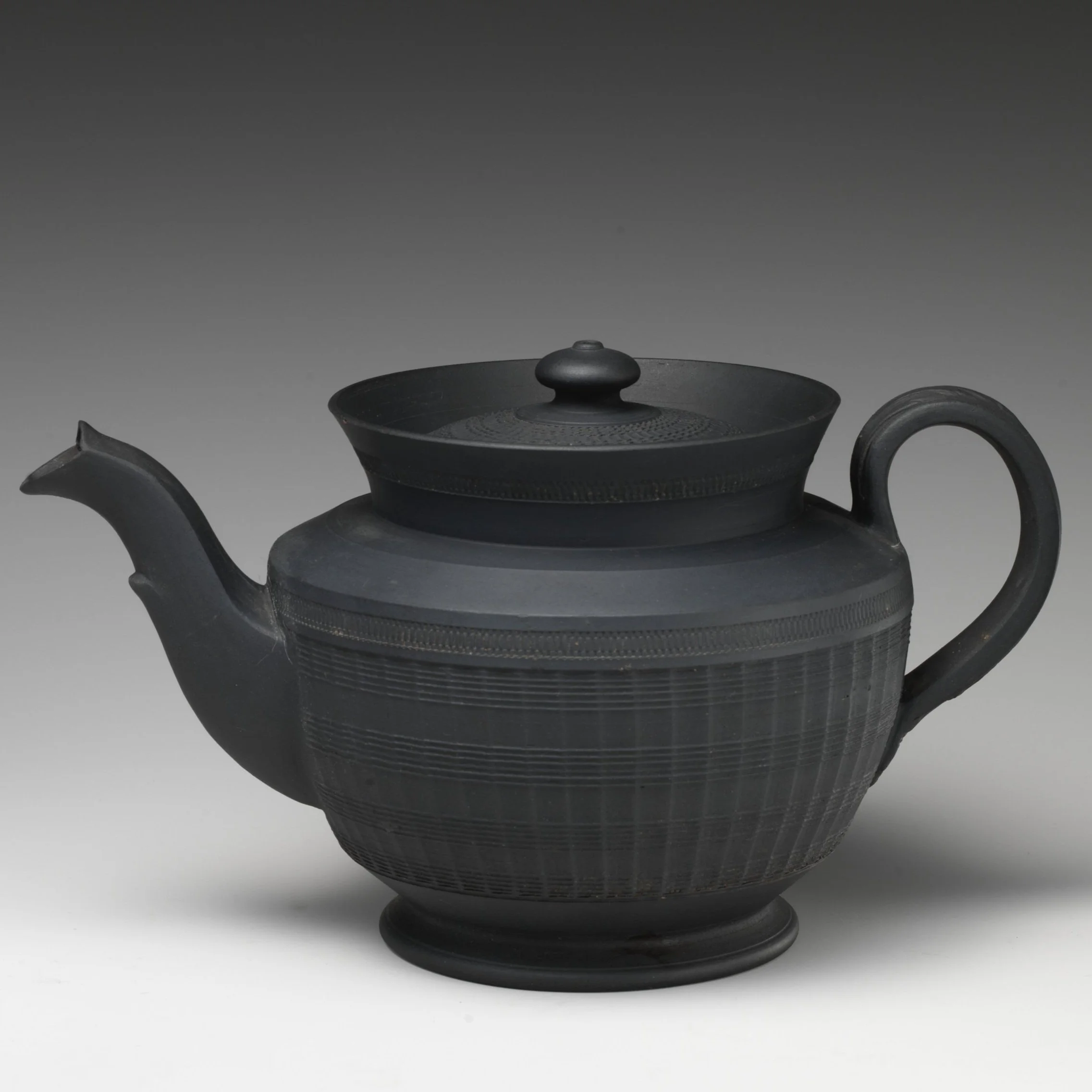
Figure 5: Teapot with Cover, early 19th century. British. Black basalt ware, 5 3/8 × 9 in. (13.7 × 22.9 cm). Metropolitan Museum of Art, New York City. Bequest of Mrs. Maria P. James, 1911. Object Number: 11.60.54a, b.
Who Built the Miller’s House?
About a mile down the road from Cloverfields, on a hill overlooking the eighteenth-century Wye Mill, stands a two-story, three-bay, brick, eighteenth-century dwelling, traditionally known as the Miller’s House. CPF purchased it and the 1.8-acre lot in 2018. Then vacant and seriously damaged by the 2011 earthquake, CPF conducted a structural analysis, stabilized the structure, and is now studying options for restoration.
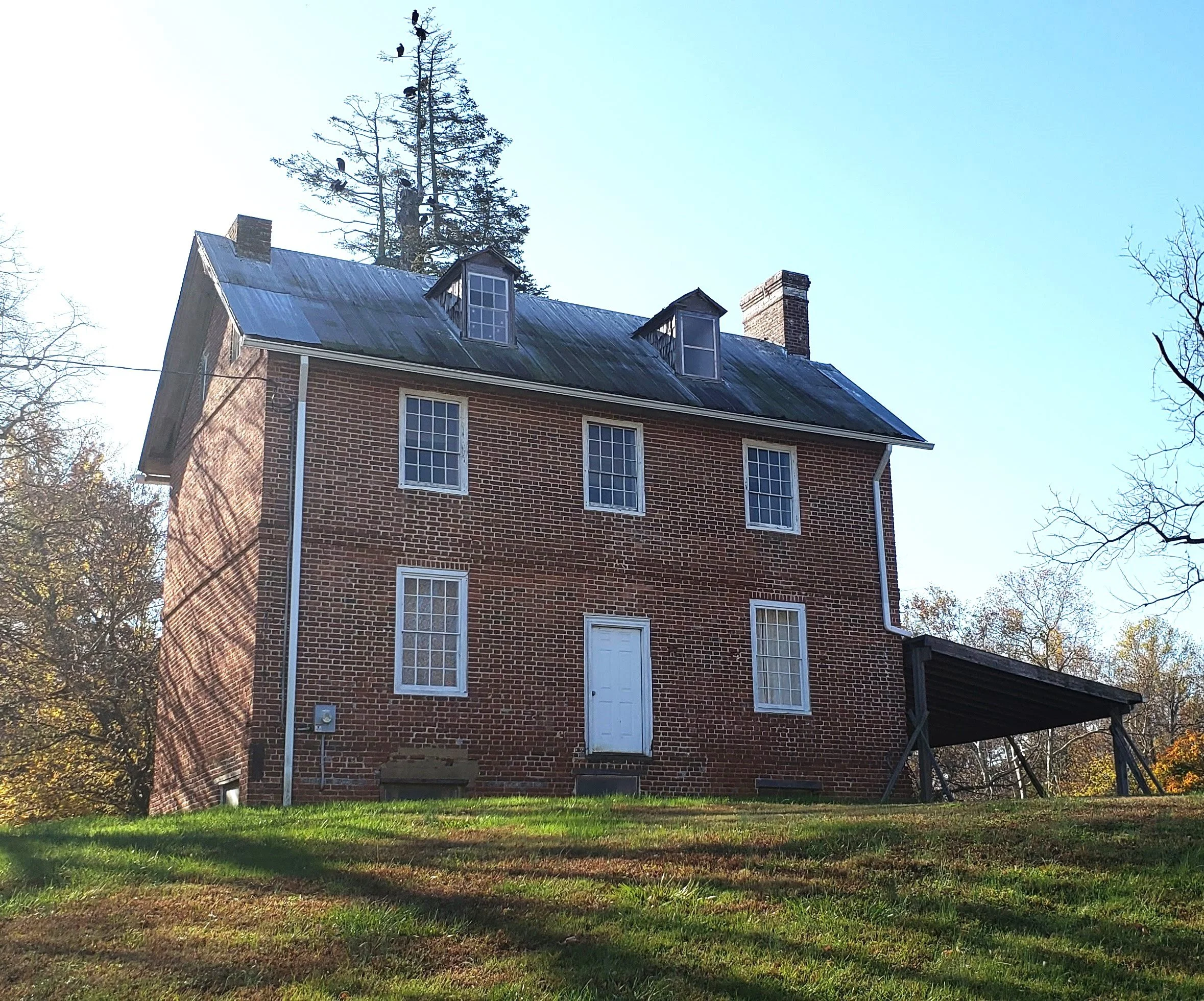
Figure 1: Who built the miller’s house and when has been the subject of much debate.
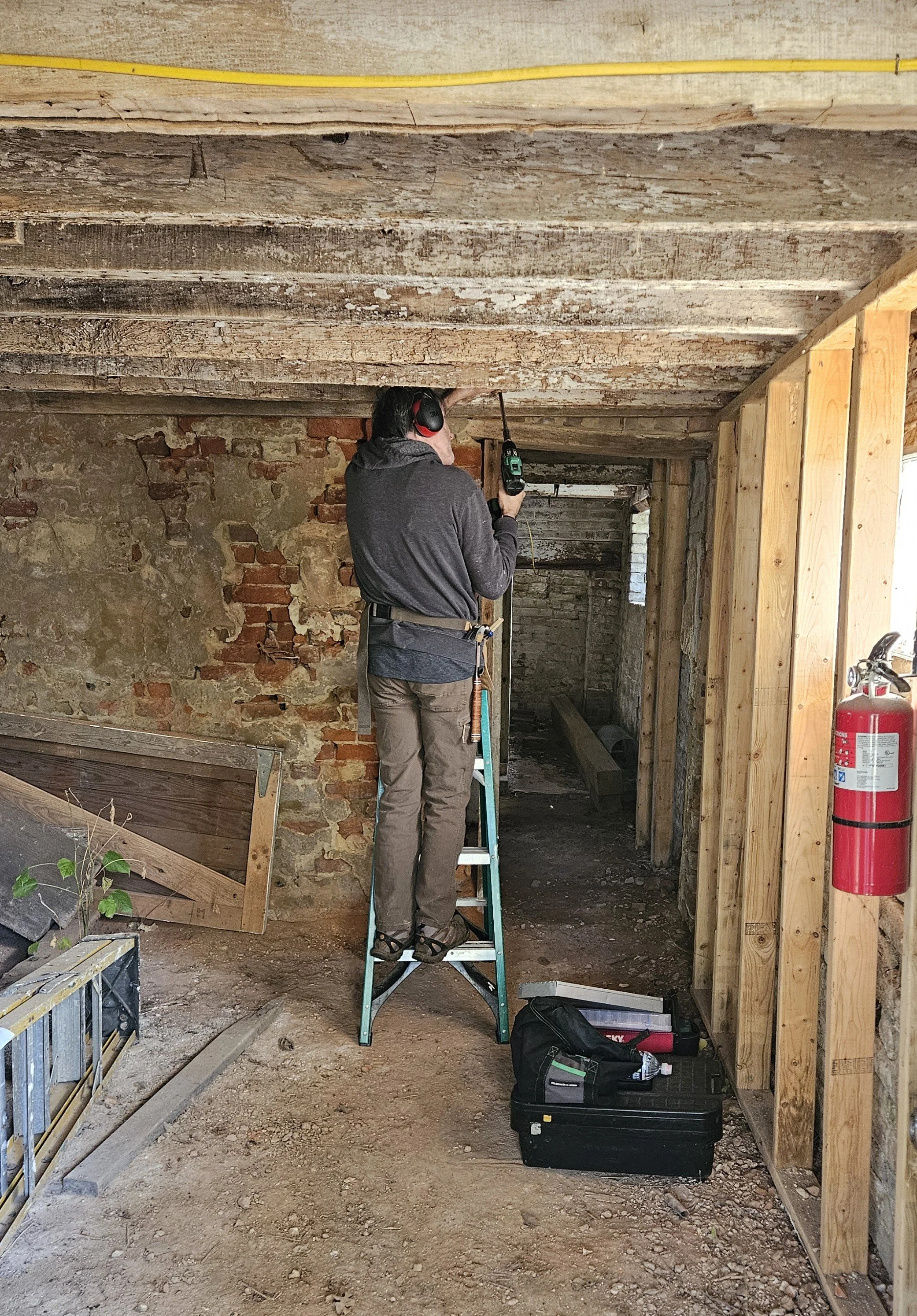
Figure 2 : Michael Worthington of Oxford Tree-Ring Laboratory takes timber samples from the building’s cellar. CPF hopes dendrochronology (dating wood by Tree Ring Analysis) will provide a construction date for the building and in doing so, determine whether the house was built during the ownership of Edward Lloyd, III /IV or Col. William Hemsley.
The age of the Miller’s House is a matter of some debate. The question isn’t merely academic. CPF’s approach to restoration depends on the answer. To help determine the construction date, CPF hired dendrochronologist Michael Worthington of Oxford Tree-Ring Laboratory to date the building’s original wood fabric, through an analysis of its tree-ring growth patterns. Unfortunately, Worthington’s first attempt failed due to the deteriorated condition of the sampled wood. Results of a second test from a different part of the building are pending.
The house stands on property historically associated with Wye Mill. The authors of the Miller’s House 2010 National Register Nomination credit the Lloyd family with its construction, believing it was purpose-built for the miller in the 1750s or 60s. Others remain unconvinced.
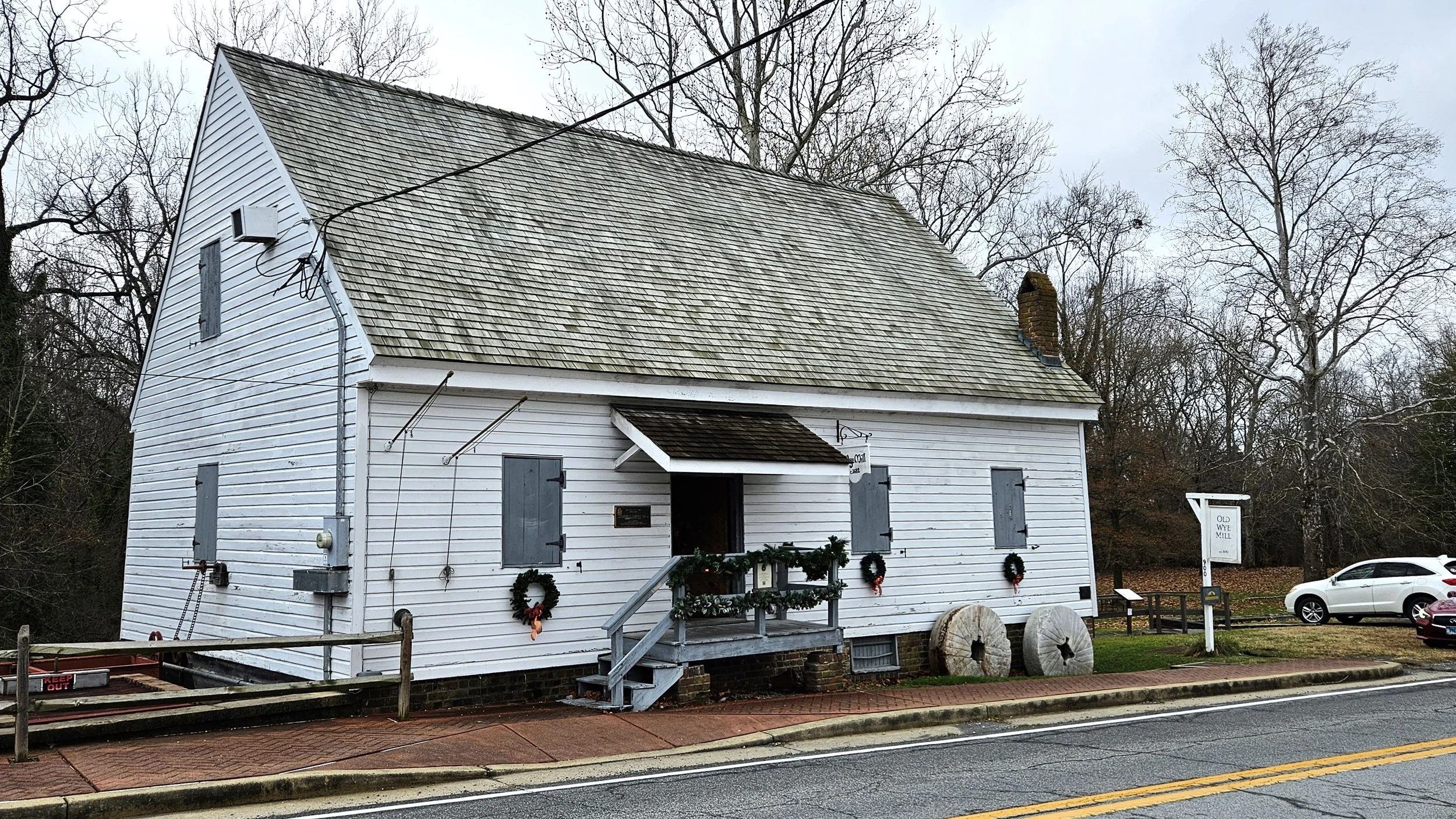
Figure 3. Old Wye Mill. The present structure dates to the 1750s, with extenive alterations in the 1840s, but a mill has been on this site since at least 1642. Photo by Sherri Marsh Johns.
Local historian Cynthia Schmidt has conducted considerable research on the Lloyd family, Wye Mill and the Miller’s House. She points to the 1798 Federal Direct Tax entries for Edward Lloyd, V, noting that none of his numerous other tenant houses were built of brick. Even Wye House, the grand Lloyd family seat on the Wye River, is of frame construction.
CPF historian Sherri Marsh Johns finds Ms. Schmidt’s argument compelling. While appearing rather plain and modestly sized to the modern eye, it was well-built and spacious by eighteenth-century standards. Again looking at the 1798 tax, in the adjacent Wye Hundred tax district an overwhelming 76% of houses were frame or log and a similar majority were one story, with an average square footage of 650 sq. ft. It is out of character for the cost-conscious Lloyds to go to the expense of erecting a brick, two-story, 1440 sq. ft. dwelling for their tenant mill operator.[1]
Col. William Hemsley purchased the mill property from Edward Lloyd, IV, in 1778. Ms. Johns believes Hemsley had the house built, not for the mill operator, but for the benefit of his family. Two sons, William and Philemon, and a niece Anna Maria “Nanny” Lloyd lived there at different times between 1798 and 1808. A third son, the previously discussed Alexander Hemsley, inherited the house and mill in 1812.
Future articles will further explore the rich history of these two historic properties.
We look forward to Michael Worthington’s dendrochronology report, and hope it will finally answer the question “Who built the Miller’s House?”
[1] Ann Elaine Hill, “A Spatial and Cultural Analysis of the 1798 Federal Tax Assessment: A Case Study of Wye Hundred, Queen Anne’s County, Maryland, in the Late Eighteenth Century (MA Thesis, University of Delaware, Newark, 1974)
Poured from the Past: Dessert & Tea at Col. William Hemsley’s Cloverfields
by Rachel Lovett, Furnishing’s Consultant
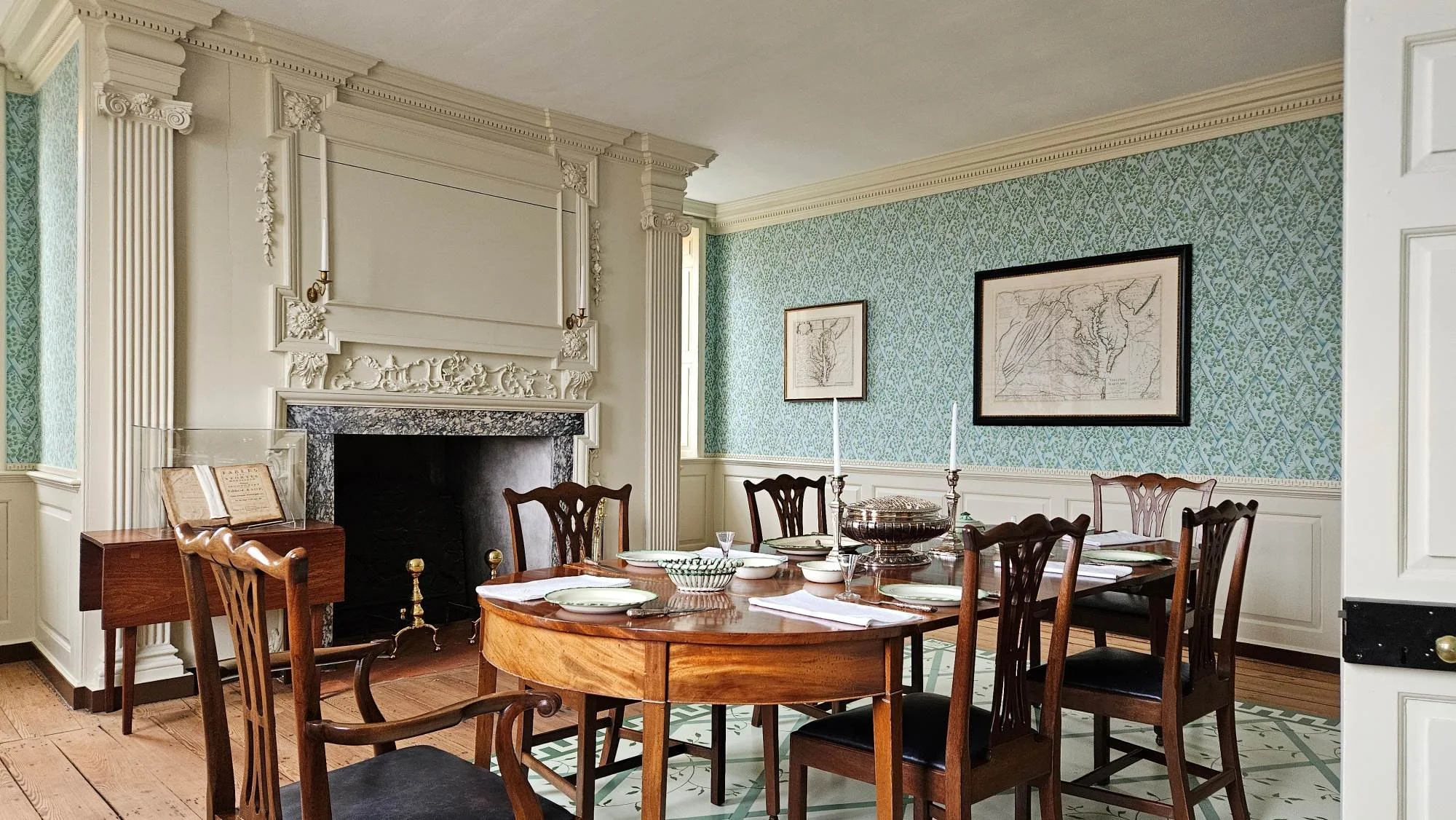
Figure 1: Cloverfields Dining Room. Source Cloverfields Preservation Foundation.
As the day at Cloverfields drew to a close, the Hemsley family followed a familiar rhythm of dining and leisure, especially when entertaining guests. After the final dessert course—served in the Dining Room—the gathering often moved to the parlor or an upstairs withdrawing room for tea. More than just refreshment, this ritual marked a transition from the formal dining room to a more intimate setting to close the gathering.
This article explores three items from Hemsley estate inventories that played a role in these traditions.
Ivory-handled Dessert Knives and Forks
Ivory-handled knives and forks were a staple in the Hemsley household, repeatedly appearing in inventories from 1736 through 1812. The presence of 1½ dozen ivory-handled dessert knives and forks indicated that Hemsleys were aware of the tradition of having a separate last dessert course, rather than including sweets in the second course. Dessert knives and forks could be used to eat sweets like cake, custards, and fruit.
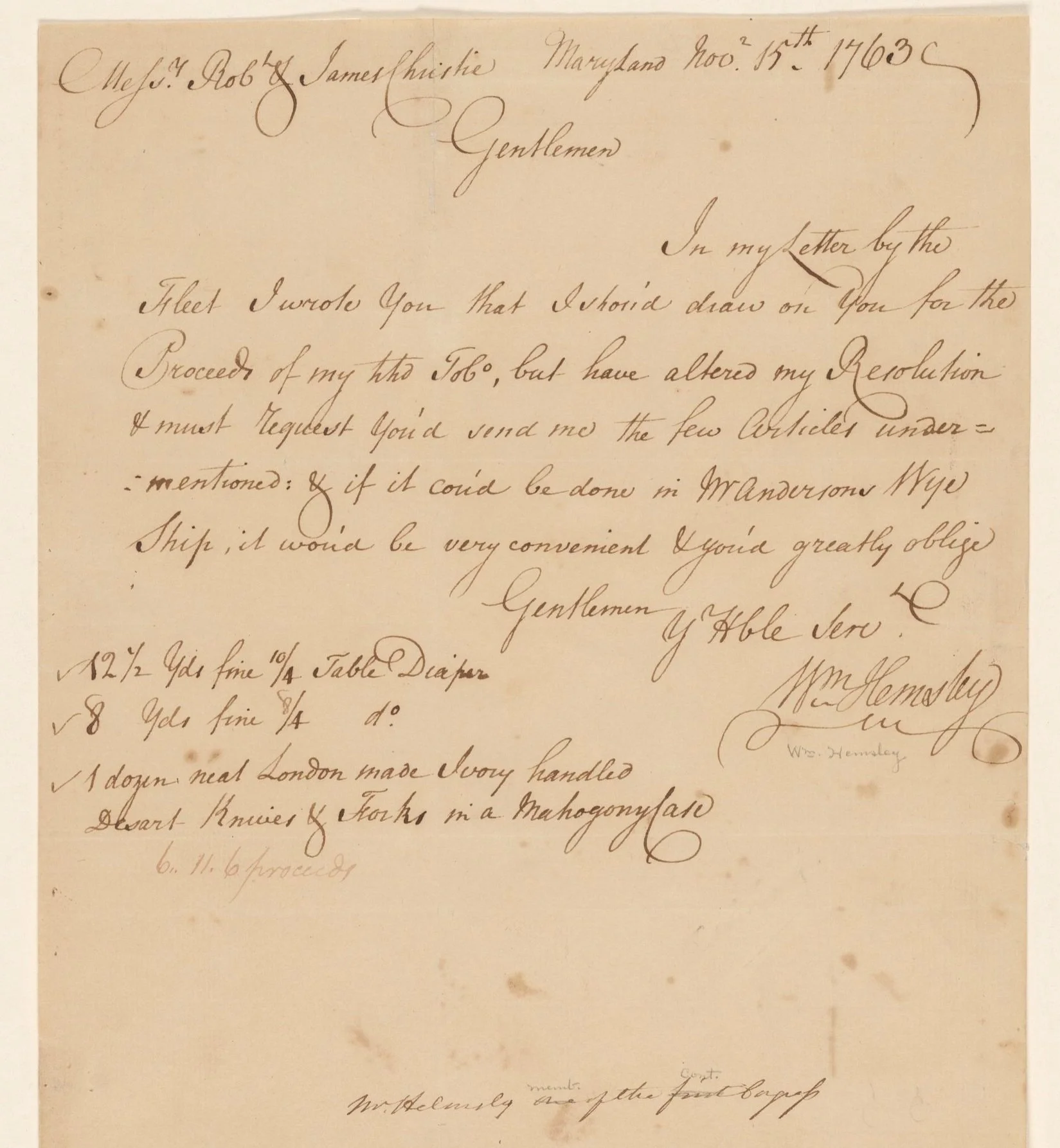
Figure 2: William Hemsley’s 1763 order to Mssrs. Robert & James Christie in London included a request for one dozen desert knives and forks with ivory handles in a mahogany case. Source: The Morgan Library and Museum.
Ivory-handled dessert knives and forks were a mark of sophistication among Maryland planters. Their popularity is evident in estate records, such as the 1784 inventory of John Hopkins the Elder of Anne Arundel County, which also lists these elegant dining utensils.
A first-hand glimpse into how Hemsley acquired these pieces comes from a letter he wrote to London merchants Robert and James Christie on November 15, 1763. The Christies were well-connected in Maryland through Robert’s wife, Mary, who was the sister of Maryland founding father Daniel of St. Thomas Jenifer. Their firm became a premier supplier to Maryland’s elite, making them a natural choice for Hemsley’s order.
The letter, sent via Captain Watson of London, arrived on March 20, 1754. It is now housed in the Morgan Library and Museum in New York City. In it Hemsley requests table cloths and “one dozen neat London-made ivory-handled dessert knives & forks in a mahogany case,” to be paid for with proceeds from his tobacco shipments. [1]
He instructed that the goods be sent aboard Mr. Anderson’s Wye Ship, almost certainly referring to London merchant William Anderson (1709–1771). Anderson operated stores on the Wye and Chester Rivers, and had deep ties to the colony—his wife, Rebecca Lloyd, was the sister of Edward Lloyd III, a close Hemsley associate.
Though Anderson remained in London, all his children eventually settled in Maryland, including his son James, who in the 1760s married Meliora Ogle, daughter of Maryland’s proprietary Governor Samuel Ogle. Their story, worthy of an article itself, is given in more detail in the endnotes. [i]
Tea Culture
In the 18th century, tea was cherished not just as a comforting drink, but as an intimate part of genteel social gatherings. Taking tea could be a standalone event or enjoyed after dinner. When the Hemsleys served tea at the conclusion of a meal, they took their guests from the dining room to either the parlor, or upstairs withdrawing room for this next phase of the gathering.
American Tea consumption was interrupted on May 10, 1773, when Parliament passed the Tea Act, giving the British East India Company exclusive rights to sell tea in the American Colonies. While the company could export tea duty-free, American consumers were still taxed, fueling outrage over taxation without representation. This led to widespread resistance, culminating in the Boston Tea Party, December 16, 1773. As a result, tea drinking declined, and coffee consumption increased along with herbal alternatives to traditional tea including mint, rose hip, and lemon balm among others. [2]
Philip Fithian, a tutor at Nomini Hall, the home of Col. Robert Carter in Virginia, recorded in his journal Sunday, May 29, 1774:
“After dinner we had a Grand & agreeable Walk in & through the Gardens—There is great plenty of Strawberries, some Cherries, Goose berries &c.—Drank Coffee at four, they are now too patriotic to use tea.” [3]

Figure 3: Portrait of Robert Morris (1734-1806), United States Superintendent of Finance (1781-1784) and senator from Pennsylvania (1789-1795), by Charles Willon Peale. New Orleans Museum of Art, Accession No. 78.2
By October, tensions boiled over in Annapolis, where furious colonists set fire to the Peggy Stewart, a ship carrying British tea. These bold acts of protest helped fan the flames of revolution, culminating in the Declaration of Independence in 1776. However, by 1784—the year of interpretation at Cloverfields—tea was starting to reclaim its place on Maryland tables.
Robert Morris, a banker, merchant, and politician from Oxford, Maryland— known as the "Financier of the American Revolution"—was a friend and close associate of Colonel William Hemsley. The two men served as fellow politicians in Philadelphia and shared a connection through their Eastern Shore estates. [4] Morris even visited Cloverfields, where tea was likely a topic of conversation in the years following the Revolution.
In 1784, Morris sent the Empress of China on America’s first independent voyage to China, making him the first to import Chinese tea on an American vessel.[5] Given their personal and business relationship, it is possible the Hemsleys were among the first Americans to enjoy tea imported directly from China.
Unlike at Nomini Hall, tea was served, at least to some degree, at Cloverfields during the war. Col. William Hemsley’s August 14, 1779 account with cousin and future brother-in-law Tench Tilghman mentions acquiring green tea and also settling his account with Robert Morris.
In his May 10, 1802 letter, Col. Hemsley writes from Cloverfields to his brother-in-law William Tilghman in Philadelphia for sending “sugar and tea,” so we know his family took their tea sweet.
Japanned Tea Urn
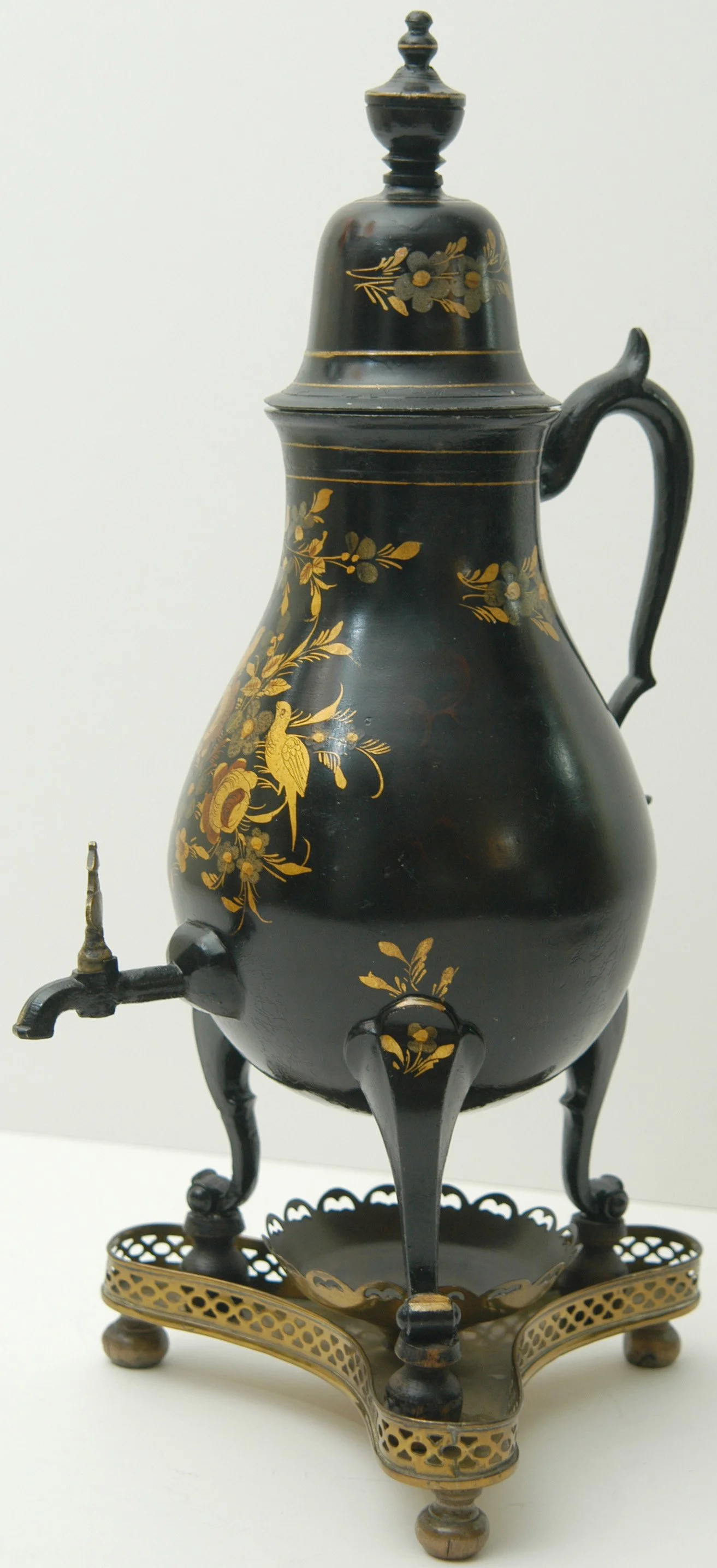
Figure 4: Antique Pewter Dutch Tea Urn With Exceptional Original Japanned Paint Decoration. Circa 1750. Image Courtesy of McClard Segotta Antiques.)
Three Hemsley inventories list Japanned items. Col. William Hemsley’s 1812 official estate inventory included a tea urn and chest. A second Cloverfields inventory found at Poplar Grove in the papers of Anna Maria Hemsley Emory lists three waiters (tea trays) of assorted sizes, along with a chest, and urn, and five waiters are among the items appearing in the 1822 inventory of the Colonel’s second daughter Charlotte (1762-1822).
Japanning, a process designed to mimic the prized lacquerware of Asia, was highly sought after in colonial America, and the items listed in Hemsley’s inventory reflect this desire. These pieces were often tea ware and had a glossy and highly decorative surface, aiming to replicate the aesthetics of Asian lacquered objects. The Japanner industry was primarily centered in England in cities like Birmingham and Pontypool in Wales beginning in the early 18th century. However, there are examples of American Japanners, most notably in Boston.[6] Manuals like A treatise of japaning [sic] and varnishing printed in 1688, helped the industry to flourish in the 18th century and later into the Victorian era.
Given that the fashion for Japanned pieces started appearing in early to mid-18th-century America, it is likely that these items were acquired earlier and could have adorned the parlor as it appeared in 1784.
An extant Japanned tea urn from this period is a rare find, as many did not survive. European and American Japanning techniques involved applying a delicate veneer to a surface, which proved far less durable than the original Asian lacquers. Japanned tea urns, designed to hold hot water, often suffered from cracked and peeling finishes over time. This 18th-century Dutch example, made of pewter, may resemble the material used in Hemsley’s own “Japanned tea urn.”
The desire for Japanned objects extended well beyond the Hemsley family’s home. In Maryland, inventories of prominent families from the mid-18th century often include similar pieces. For example, in 1754, Daniel Dulany’s inventory notes a Japanned tea table, while in 1763, Philip Thomas Sr. also owned a Japanned tea table and chest of drawers. Henrietta Maria Dulany, in 1766, and Charles Clark of Prince George County, in 1767, both referenced Japanned items in their inventories, including waiters and tea boards. These references underscore the popularity of Japanned goods among Maryland’s elite.
An interesting connection to the Hemsley family’s appreciation for Japanned wares appears in correspondence from the Richard Tilghman Papers housed at the Pennsylvania Historical Society. In a letter dated June 17, 1799, Anna “Nanny” Lloyd, a Hemsley relative and frequent guest at Cloverfield, wrote to her uncle, Richard Tilghman, requesting a square Japanned dressing box, specifying that it should not exceed $4. This request highlights the widespread appeal of Japanned items among the extended Hemsley family and their acquaintances.
Black Basalt Queensware
One of the most visually distinctive tea-related items listed in the inventories is “black Queensware,” a type of basalt pottery. Hemsley’s collection included at least six dishes, two cream pots, and two teapots made from this material.
Black Basalt is a refined type of pottery made from a blend of clay and other materials that fire to a deep black color. Its origins trace back to the Iron Age when certain clays naturally fired black, but the most successful formula was developed by Josiah Wedgwood in 1767 and perfected by around 1774.[7] Wedgwood, a pioneering English potter and entrepreneur, was known for his scientific approach to ceramics, elevating pottery from a craft to an art form.
His pieces became known as Queensware after Queen Charlotte patronized his work. His innovation with Black Basalt, along with his famous jasperware and creamware, solidified his reputation as one of the most influential figures in ceramic history to this day.
Inspired by classical antiquities, Wedgwood’s Black Basalt imitated the appearance of ancient bronzes and Greek pottery. The fine, dense body captured intricate details, making it particularly suited for neoclassical busts, vases, and tea wares. Other manufacturers quickly followed his lead, producing Black Basalt in the late 18th and early 19th centuries. Craftsmen made pieces in various styles, including plain, engine-turned, gilded, painted, enameled, and relief-decorated. Unlike jasperware, which features contrasting colors for the base and figures, Black Basalt relief work is typically black-on-black.[8]
It was very popular in the 18th century, and women were particularly fond of the contrast it presented against their skin and clothes. Black basalt Wedgwood continues to be popular amongst collectors today.[9]
Wedgwood’s company most likely produced William Hemsley’s pieces, as Wedgwood was a leading manufacturer of Black Basalt during the 18th century. However, the available inventory records do not specify whether these pieces featured any relief decoration.
In the coming years, the Foundation hopes to recreate vignettes of the Hemsley family in the period, and acquire items like these that we can trace to primary sources.
[i] The story of James Anderson and Meliora Ogle is one of financial ruin and heartbreak—after inheriting his father’s firm in 1771, Anderson’s business collapsed in the London financial crisis of 1772-1773, forcing him to flee to Maryland in 1774 to escape debtor’s prison, leaving behind his pregnant wife, Meliora, and their two children; both she and his mother, Rebecca Lloyd Anderson, were pursued by creditors and died destitute in 1775, despite efforts by her mother Anne Tasker Ogle and Joshua Johnson to settle his debts. James’ youngest daughter Henrietta was later brought to Annapolis in 1784. Thank you to Paul Koch for providing the backstory and research on this fascinating family.
[1] William Hemsley to Robert and James Christie, November 15, 1763, MA 1353.2, The Morgan Library & Museum, New York, NY, http://corsair.themorgan.org/vwebv/holdingsInfo?bibId=103411.
[2] Benjamin L. Carp, The Boston Tea Party (New Haven, CT: Yale University Press, 2010), 27.
[3] Philip Vickers Fithian, Journal and Letters of Philip Vickers Fithian, 1773-1774; a Plantation Tutor of the Old Dominion, edited by Hunter Dickinson Farish, Williamsburg, 1957, pp. 110, 195-196.
[4] Robert Morris, The Papers of Robert Morris, 1781–1784, ed. E. James Ferguson et al. (Pittsburgh: University of Pittsburgh Press, 1984, vol. 8, Page 469-470.
[5] Eric Jay Dolin, When America First Met China: An Exotic History of Tea, Drugs, and Money in the Age of Sail (New York: Liveright, 2012), 5-10.
[6] Christine Palmer, “Tortoiseshell & Gold: Robert Davis and the Art of Japanning in Eighteenth-Century Boston,” Colonial Society of Massachusetts, accessed February 12, 2025, https://www.colonialsociety.org/publications/3297/tortoiseshell-gold-robert-davis-and-art-japanning-eighteenth-century-boston.
[7]Alan Cuthbertson, “History of Wedgwood Black Basalt,” Collecting Wedgwood, July 11, 2017, https://collectingwedgwood.com/history-of-wedgwood-black-basalt.
[8] and [9] Cuthbertson, “History of Wedgwood Black Basalt.”